If you are planning a group ride, the party bus rules you hear about most are the ones about alcohol and age: who can drink on board, who cannot, and what happens if the rules are broken. The short answer is that the legal drinking age in all four states we serve is 21, and no operator can let anyone younger drink on board, no matter what the occasion is.
The rest of the party bus rules cover open containers, smoking, standing while the vehicle moves, and damage or cleaning charges. They vary by state and by company, so the useful move is to know how the rules generally work and then confirm the specifics in writing before you book. This guide walks through both.
Why party bus rules exist in the first place
A party bus is a commercial vehicle with a driver, a license and insurance. That changes the rules compared with a private car or a rented house. The operator has to follow state alcohol law, local vehicle rules and its own insurance terms, and the driver is responsible for what happens on board.
That is why you will see rules about IDs, open containers, smoking and moving around. They are not there to spoil the night. They protect the driver's license, the company's ability to operate, and the safety of everyone in a vehicle that can weigh far more than a car and takes longer to stop.
For groups planning a celebration, it helps to treat the rules as part of the booking rather than a surprise on the night. If you know them up front, you can plan the guest list, the stops and the timing around them. You can read more about how we handle group rides on our party bus rental page.
Age limits and alcohol: the rule that does not bend
The legal drinking age in Florida, California, North Carolina and Arizona is 21. No party bus company can let a 19-year-old drink on board, and a parent's permission does not change it. If your group includes guests under 21, plan for a dry ride or a mixed ride where alcohol is simply not part of the plan.
Many operators handle this in one of two ways. Some run completely dry vehicles for under-21 groups, such as prom or homecoming rides. Others allow alcohol only when every passenger is 21 or older and IDs are checked at boarding. Ask which model your operator uses before you pay a deposit.
If your group is a mix of ages, be honest about it when you book. A company that knows there will be under-21 guests can assign the right vehicle and set expectations. Hiding it can get the trip canceled at the curb, and deposits are often non-refundable in that situation.
Prom and school events have their own layer of rules, often set by the school as well as the operator. Our guide to prom and homecoming limo service covers how those bookings usually work.
| Group makeup | Typical alcohol policy | What to confirm |
|---|---|---|
| All guests 21 or older | Alcohol may be allowed, often with ID checks | Whether you bring your own or the operator provides it |
| Mixed group with some under 21 | Often a dry ride, or a separate area and strict ID checks | The operator's exact policy in writing |
| All guests under 21 (prom, homecoming) | Dry vehicle | School rules and any signed parent agreement |
| Corporate or team outing | Often dry by company policy | Whether your employer's policy applies |
Open container laws and how they apply to a chartered vehicle
Open container laws restrict having an open alcohol container in a vehicle. They vary by state, and the details matter: some states treat a chauffeured or chartered vehicle differently from a private car, and some do not. Florida, California, North Carolina and Arizona each have their own rules and their own enforcement.
The practical point is that you should not assume a party bus is automatically exempt. Ask the operator directly: is alcohol allowed on board, who supplies it, and does the company require a licensed bartender or a bring-your-own arrangement? Get the answer in writing on your quote or agreement.
There is also a driver-side rule that applies everywhere. The driver cannot drink at all, and most companies prohibit passengers from offering alcohol to the driver. Respect that line. It protects your ride home as much as the driver.
Rules also change at the destination. A winery, a bar or a stadium has its own alcohol policy, and some venues do not allow outside drinks in the parking lot. Our wine tour limo page explains how tastings are usually scheduled around the driving.
Smoking, vaping and what is never allowed on board
Most party bus companies prohibit smoking and vaping inside the vehicle. The reasons are practical: smoke and vapor settle into upholstery and ceiling panels, the smell lingers for the next group, and cleaning it out is expensive. Many operators charge a cleaning fee if it happens, and some end the trip.
Illegal substances are a firm no on any commercial vehicle, and the driver is usually required to stop the trip and involve local authorities. That is a company rule, not a gray area.
Some operators allow a stop for a cigarette break if the schedule permits, so ask if that is possible rather than lighting up in the cabin. If smoking matters to your group, raise it at booking and see what the operator offers.
Other common restrictions include glassware on some vehicles, outside food that stains, and hanging out of windows or sunroofs. Ask for the full list of prohibited items so nobody is caught off guard.
Confirm alcohol policy: ask whether alcohol is allowed, who supplies it, and whether IDs are checked at boarding.
Check the age mix: tell the operator if anyone in the group is under 21 so the right vehicle and rules are assigned.
Ask about smoking: find out whether vaping or smoking is banned outright and whether cigarette stops are possible.
Review the damage terms: read the cleaning and damage section of the agreement before you sign.
Set expectations with guests: share the rules with your group in advance so nobody argues at the curb.
Safety rules while the vehicle is moving
Standing, walking around and dancing in the aisle are the rules most often broken on a party bus, and they are also the ones most likely to cause an injury. A bus or large SUV in motion can stop suddenly, and a passenger who is standing has nothing to hold onto.
Many operators require everyone to stay seated with a seatbelt while the vehicle is moving, and allow standing only when the bus is parked. Others permit standing at low speeds on certain vehicles. Ask which applies to your booking, especially if dancing is part of the plan.
Other safety rules you will usually see: no hanging out of windows or the sunroof, no sitting on laps beyond the seat count, and no distracting the driver. The driver may also limit how loud the music gets if it interferes with hearing traffic or a dispatcher.
If your group has a specific plan, such as a photo stop or a surprise entrance, tell the operator when you book. A short parked stop is usually easy to arrange. Standing room at highway speed is not. For big celebrations, our party bus fleet page lists typical capacities and layouts.
Damage, cleaning and behavior policies
Party bus agreements usually include a damage and cleaning clause. It covers things like spills on upholstery, burns, broken fixtures, vomit cleanup, and lost or damaged equipment. The clause typically lets the company charge the card on file for the cost of repair or professional cleaning.
This is not a penalty for having fun. It is how operators keep vehicles presentable for the next group. The best defense is simple: keep drinks in the holders, use the provided trash bags, and tell the driver early if something spills so it can be handled before it sets.
Behavior rules matter too. Most companies reserve the right to end a trip if passengers are abusive to the driver, refuse to follow safety instructions, or bring prohibited items on board. In most cases there is no refund in that situation.
Read the agreement before you sign, and ask about anything unclear. If you are comparing operators, ask each one to explain its damage policy in plain language. A company that answers clearly is usually easier to work with on the night.
Rules that change by state and by city
Because we operate across Florida, California, North Carolina and Arizona, we see how much the details can differ. Alcohol enforcement, open container rules and local vehicle ordinances are set at the state and sometimes city level, and they are not identical.
In Florida, for example, alcohol rules for charter vehicles are handled differently from a private car, and beach towns and cruise ports often add their own restrictions on where vehicles can stop. California has its own alcohol rules and strict open container enforcement, and some wine country towns limit where tour vehicles can idle or unload.
North Carolina and Arizona each have their own alcohol authority and their own rules for commercial vehicles. A dry county or a special event zone can change what is allowed on a given night. None of this is something a passenger should guess at.
This article is general information, not legal advice. Confirm current rules with your state's alcohol beverage control authority and with your operator before your trip, especially for a large event or a destination with unusual local rules.
How to confirm the rules before you book
The cleanest way to avoid surprises is to ask a short list of questions at booking and get the answers on your written quote or agreement. A professional operator will answer them without hesitation, because clear rules make the night easier for everyone.
Ask about the alcohol policy, the age verification process, the smoking ban, the standing rule, and the damage and cleaning terms. Ask what happens if a guest breaks a rule mid-trip, and whether the deposit is refundable if the trip is canceled for a policy violation.
You should also confirm what is included. A flat, itemized quote should list gratuity, tolls and fees separately so you can see the full picture before you commit. If a number is vague, ask for it in writing.
When you are ready, request a written quote and tell us the age mix of your group, the occasion and the stops you have in mind. We will match the vehicle and confirm the rules that apply to your trip.
Matching the vehicle to your group and your rules
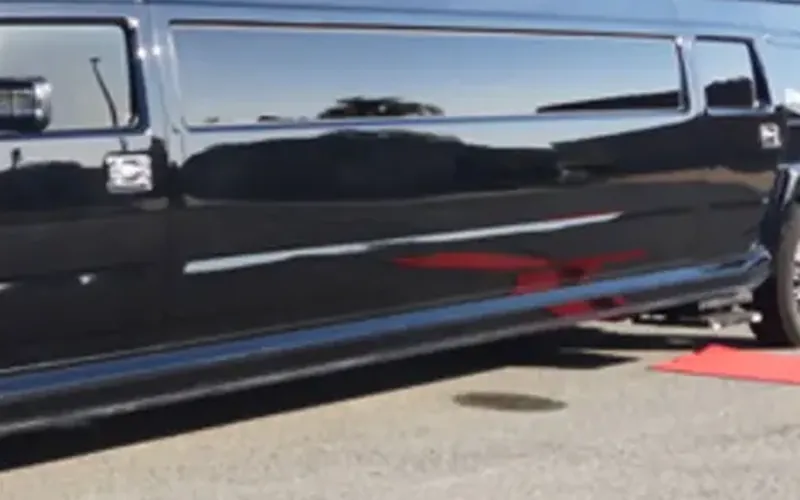
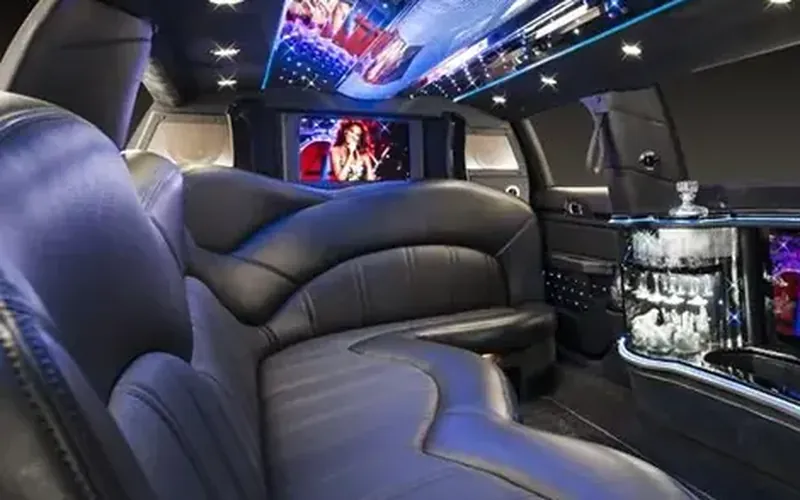
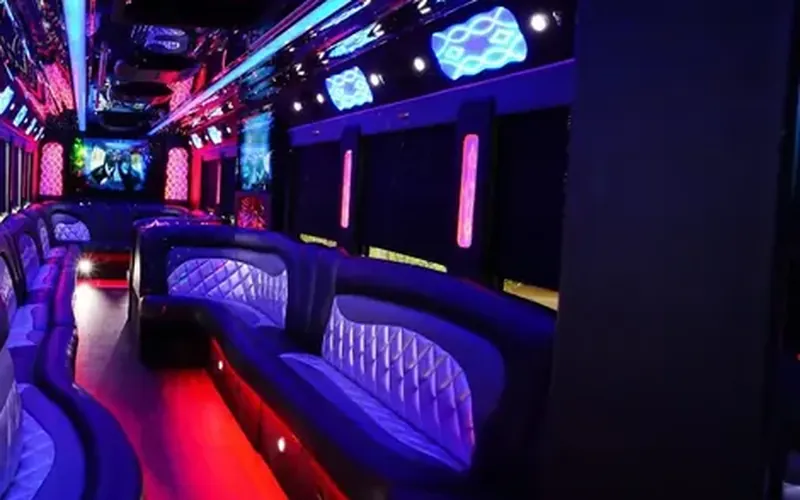
Vehicle choice affects which rules apply. A stretch limousine or stretch SUV limousine is built for seated passengers, while a party bus has more open floor space and often more standing room when parked. If dancing is the plan, ask specifically which vehicles allow it and when.
Capacity matters too. Booking a vehicle that seats fewer people than your guest list invites overcrowding, which is a safety issue and often a policy violation. Tell the operator the real headcount, including anyone who might join late.
For weddings, proms, birthdays and bachelorette parties, the vehicle also sets the tone. A stretch limousine suits a formal arrival, while a stretch SUV limousine fits a bigger group that still wants a classic look.
If you are planning a night out with several stops, an hourly arrangement usually works better than a point-to-point ride, because the vehicle stays with you. Ask how hours are counted and what happens if a stop runs long.
What happens if a rule is broken
Consequences depend on the rule and the operator, but the pattern is consistent. A minor issue, like an open drink in a vehicle that does not allow it, usually means the drink is poured out and the group gets a warning. A serious issue, like an underage guest drinking or a passenger smoking in the cabin, can end the trip.
Ending a trip early is the last resort, and it usually comes with no refund. The driver may also be required to stop for a police check if there is a legal issue. That is not a scenario anyone wants on a birthday or a wedding day.
The good news is that most problems are avoidable with a two-minute conversation before boarding. Tell your guests the rules, collect IDs if the operator requires them, and designate one person in the group to talk to the driver so instructions do not get lost in the noise.
If something does go wrong, stay calm and let the driver handle it. Arguing at the curb rarely helps, and a polite conversation after the trip with the company is the better route for resolving a dispute.
Frequently asked questions
Can you drink alcohol on a party bus?
It depends on the operator and the state. Many companies allow alcohol for groups where every passenger is 21 or older, often with ID checks at boarding. Others run dry vehicles. Ask before you book and get the answer in writing on your quote or agreement.
What is the age limit for a party bus?
There is no single age limit to ride, but the drinking age is 21 everywhere in the U.S., and no operator can allow underage drinking on board. Many companies run dry vehicles for under-21 groups such as prom rides. Ask how your operator handles a mixed-age group.
Are open container laws different for a chauffeured vehicle?
They can be. Some states treat chartered or chauffeured vehicles differently from private cars, and some do not. The rules also vary by city and by event. Ask your operator directly and confirm with your state's alcohol authority, since this is general information, not legal advice.
Can you smoke or vape on a party bus?
Most operators prohibit smoking and vaping inside the vehicle because the smell lingers and cleanup is expensive. Some allow short stops for a cigarette break if the schedule permits. Ask at booking so nobody is surprised.
Can you stand or dance on a party bus?
Often only when the vehicle is parked, and sometimes not at all. Many operators require passengers to stay seated with a seatbelt while the bus is moving for safety reasons. Ask which rule applies to your vehicle and your route.
What happens if someone damages the party bus?
Most rental agreements include a damage and cleaning clause that lets the company charge for repairs or professional cleaning. Read that section before you sign and ask the operator to explain anything unclear. Serious or repeated rule violations can also end the trip without a refund.
Do I need to bring ID on a party bus?
If your group plans to drink and the operator allows it, expect ID checks at boarding. Bring a valid government-issued ID even if you are well over 21. Ask the operator in advance what form of ID it accepts.