Coachella transportation is the part of the weekend people plan last and regret first. The festival runs in April at the Empire Polo Club in Indio, and the desert around it funnels tens of thousands of people onto a handful of roads at roughly the same times each day. Knowing how the drive works, where vehicles are allowed to drop off and pick up, and how long the last mile takes will do more for your weekend than any outfit you pack.
This guide covers the realistic options: driving yourself, riding in a chauffeured vehicle, and joining a group transfer. It walks through routes from Palm Springs, Los Angeles and San Diego, explains how festival drop-off and pickup zones generally work, and covers the heat and timing issues that catch first-timers off guard. Rules change from year to year, so always confirm current details on the festival's official site before you book anything.
How Coachella transportation from Palm Springs works
Palm Springs is the closest city of any size to the festival grounds, which makes it the most common base for attendees who are not camping. The drive to Indio is short on paper, usually under an hour in normal conditions, but it is not normal conditions during festival weekends. Once you leave Interstate 10 and head toward the polo grounds, traffic slows to a crawl in the hours before gates open.
A chauffeured car from Palm Springs solves the two worst parts of the trip: parking and the drive home. Your chauffeur handles the desert roads, drops you at the designated zone, and is waiting when you come out at night. If you are staying in the Palm Springs area and want the vehicle for the whole evening rather than one fixed run, an hourly chauffeur service is usually the more flexible choice.
If you are flying in, Palm Springs International is the closest airport and the easiest arrival point for the festival. A PSP airport car service gets you and your luggage to a hotel or rental house without a second transfer. Travelers flying into Ontario or Los Angeles face a longer desert drive, so build that into your arrival day.
Book the return leg too: A one-way drop-off leaves you stranded at midnight when every car in the valley is booked.
Set a fixed pickup time and zone: Agree on the exact lot and a backup window before you leave your hotel.
Keep your group together: Vehicles are dispatched by passenger count, so stragglers can cost you your slot.
Driving from Los Angeles to the Empire Polo Club
From Los Angeles, the standard route runs east on Interstate 10 through San Bernardino and Palm Springs, then south toward Indio. The distance is well over 100 miles and usually takes around two and a half hours without traffic. On a festival Friday, add significant time for the I-10 corridor alone, which backs up well before you reach the desert.
The drive itself is straightforward, but the last stretch is where plans fall apart. Local roads near the polo grounds are managed with temporary signage, lane changes and one-way patterns during the festival. Your navigation app may not reflect the current routing, and following it blindly can put you in the wrong line or on a road closed to event traffic.
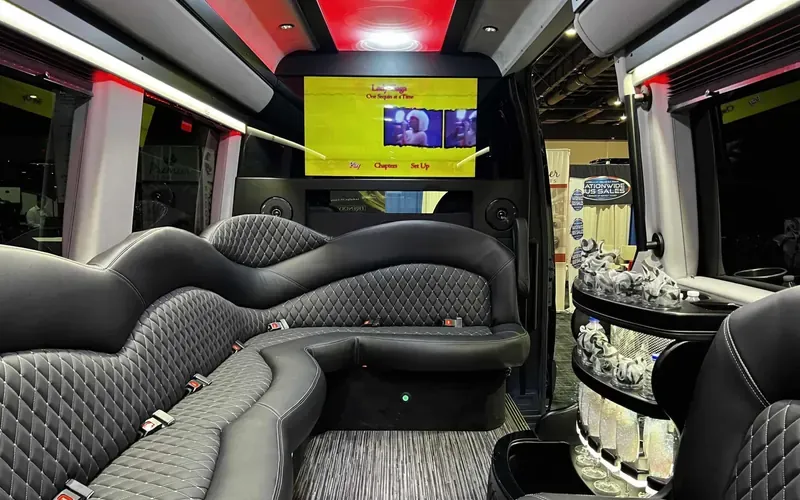
For groups coming from Los Angeles, a larger vehicle changes the economics of the trip. A Mercedes Sprinter carries a group in one vehicle, which means one driver dealing with traffic and one parking decision instead of four. For a couple or a small party, an executive SUV handles luggage and desert heat comfortably. If you want to see the wider range of options across the region, browse the California service areas before you commit.
Getting to Coachella from San Diego and other cities
San Diego sits southwest of the festival grounds, and the usual route climbs through the mountains on Interstate 15 before cutting east. The drive is well over 100 miles and typically takes around two and a half to three hours depending on traffic and which pass you take. It is a scenic drive in daylight and a tiring one late at night, which is the main argument for letting someone else handle it.
Other Southern California cities are all feasible day trips or weekend bases. Orange County and Irvine sit roughly halfway between Los Angeles and the desert, which makes them a sensible overnight stop. Riverside and San Bernardino are closer still. Wherever you start, the calculation is the same: the return trip after a long festival day is the part that punishes a self-driver.
Longer runs are worth planning as a single booking rather than a series of separate rides. A long-distance car service covers the whole trip in one vehicle with one chauffeur, so your group stays together and your timing stays predictable. This matters most when your group is large and splitting into multiple cars would mean multiple departure times.
Drop-off and pickup zones at the festival
Festival organizers set the drop-off and pickup locations, and they are not the same as general parking. In most years there are designated areas for passenger drop-off and for taxis and pre-arranged vehicles, with signage and staff directing traffic. These zones can move between editions, and the routes leading to them are often one-way during peak hours.
Do not assume your driver can meet you at the gate. The correct approach is to check the festival's official transportation page before the weekend, note the current drop-off zone, and share that exact location with your chauffeur when you book. If the festival publishes a rideshare or drop-off map, send it along with your reservation details.
Pickup is the harder half. Crowds leaving after the final set create a surge of pedestrians, closed lanes and slow-moving traffic. Agree on a meeting point inside the designated zone, keep your phone charged, and expect a wait. A concert and event transportation provider plans for this window rather than treating it as an afterthought, which is why pre-booked pickups tend to go more smoothly than on-demand requests.
| Starting point | Approximate distance | Typical drive time without festival traffic |
|---|---|---|
| Palm Springs | About 25 miles | Under an hour |
| Irvine / Orange County | About 110 miles | Around two hours |
| Los Angeles | Over 130 miles | Around two and a half hours |
| San Diego | Over 130 miles | Two and a half to three hours |
| Phoenix | About 250 miles | Around four hours |
Group SUVs, Sprinters and party buses
The single biggest transportation decision for Coachella is vehicle size. Splitting a group of ten into three cars means three parking spots, three departure times and three chances for someone to get separated. One larger vehicle keeps the group together and simplifies everything from loading luggage to the ride home.
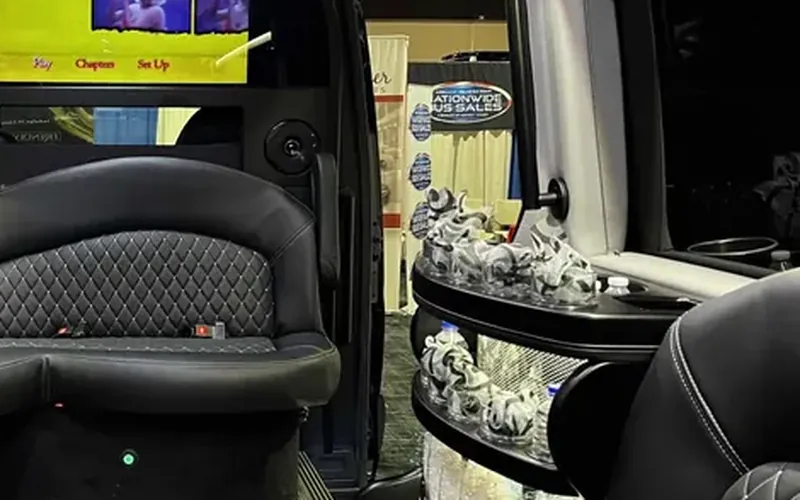
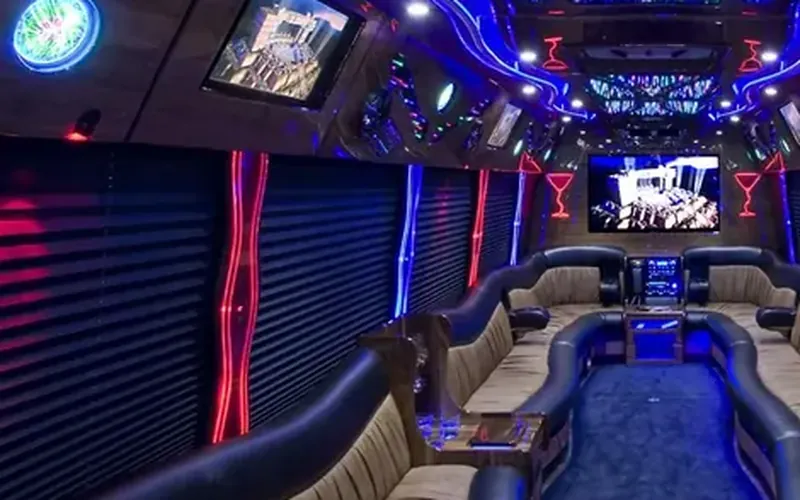
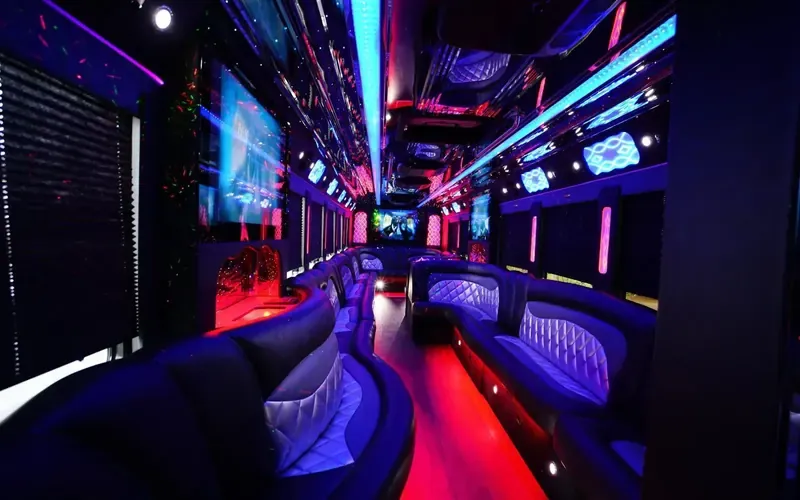
Match the vehicle to the group and the occasion. A stretch SUV limousine works well for a birthday or bachelorette group that wants the ride to be part of the weekend. A Sprinter is the practical choice for airport arrivals and multi-day groups with bags. For a big crew, a party bus or mini bus shuttle handles the whole group in one booking.
Seat counts vary by vehicle, and the exact vehicle is confirmed on your quote, so tell the booking team your real headcount including luggage. If your group is celebrating rather than just commuting, look at group transportation options and a party bus rental for the nights you want something more than a ride. For a Palm Springs base with a big group, the Palm Springs limo service page lays out the local options.
Luxury Sedan: up to 3 passengers, good for couples and solo travelers.
Executive SUV: up to 6 passengers, suits families and small groups with luggage.
Stretch SUV Limousine: 14 to 18 passengers, popular for celebration groups.
Mercedes Sprinter: 10 to 14 passengers, the workhorse for airport runs and multi-day groups.
Mini Bus Shuttle: 20 to 30 passengers, best for large groups moving on one schedule.
Party Bus: 20 to 40 passengers, for groups treating the ride as part of the event.
Heat, dust and timing in the Coachella Valley
April in the Coachella Valley is warm to hot, with strong afternoon sun and dry air. The polo grounds are grass and dirt with limited shade, and the walk from a drop-off zone to the gates can be long. Plan for heat before you plan for anything else: water, a hat, sunscreen and a light layer for the temperature drop after sunset.
Heat also affects your ride. A vehicle that has been sitting in the sun all afternoon is uncomfortable on pickup, and passengers who have been in the sun all day dehydrate faster than they expect. A professional chauffeur arrives early, runs the air conditioning and has water on board, which is a small thing that makes a real difference at the end of a long day.
Timing deserves its own plan. Traffic near the polo grounds builds for hours before gates and again after the headliner. Build a generous buffer on the way in and expect the way out to take longer than the way in. If you are managing a group, set a hard departure time and stick to it; the group that leaves fifteen minutes early often saves an hour.
Booking your Coachella ride the right way
Book well ahead. Festival weekends are the busiest days of the year for every vehicle operator in the desert, and the best options go first. Once you have your dates and your group size, request a written quote and confirm the vehicle rather than assuming a category is available.
Read the quote carefully. A fair quote is itemized, with gratuity, tolls and fees listed separately, and the total is fixed before you book. Ask what happens if the festival changes its drop-off zone, how long the chauffeur waits at pickup, and whether the return leg is included or booked separately. Get the answers in writing.
Confirm the current festival rules yourself. Organizers publish transportation guidance each year covering drop-off zones, allowed vehicles and routes, and those details can change. Check the official festival site before your trip and again the week before you travel. Limoisa is not affiliated with or an official provider for the festival; we provide chauffeured vehicles, and you are responsible for following event rules. For a broader look at how event rides are planned, see the event transportation service.
Flying in and out for the festival
Palm Springs International is the closest airport to Indio and the least stressful arrival. It is small, quick to get through, and close enough that you can be at a rental house or hotel within a short drive. Book your airport transfer in advance; the arrival hall during festival week is not the place to start comparing options.
Ontario International is the next most practical alternative for many travelers, with a longer but manageable desert drive. Los Angeles International and San Diego International work too, but the drive from either is a serious haul after a flight. If you fly into LAX, plan the transfer as its own leg rather than squeezing it into an already long day.
Private aviation arrivals are handled separately at the FBOs, and a private jet car service meets you on the ramp so you skip the terminal entirely. Whatever airport you choose, give your chauffeur your flight number so the pickup is tracked, and confirm the meeting point before you land.
Mistakes that ruin a Coachella ride
Most transportation problems at the festival come from a handful of avoidable mistakes. The first is booking late and taking whatever is left. The second is failing to agree on a pickup point before the group splits up. The third is underestimating how long the last mile takes when tens of thousands of people leave at once.
Another common issue is treating the drop-off zone as a fixed address. It is a managed area with staff, signage and temporary traffic patterns, and it can shift. Screenshot the official map on the day, share it with your driver, and keep a backup meeting point in mind.
Finally, do not plan a tight turnaround. If you have a dinner reservation or a flight the morning after, leave a wide margin. The desert rewards people who build in slack and punishes those who do not. If you want help planning the whole weekend around a Palm Springs base, start with the Palm Springs limo service page and request a written quote for your dates.
Frequently asked questions
How far is Coachella from Palm Springs?
The Empire Polo Club in Indio is roughly 25 miles from Palm Springs, usually under an hour in normal traffic. During festival weekends, the last few miles can take much longer, so plan a generous buffer before gates open.
Can a limo drop me off at the festival gates?
Not usually at the gate itself. Organizers set designated drop-off and pickup zones with staff directing traffic, and these can change between editions. Check the official festival site for the current map and share it with your chauffeur when you book.
What is the best vehicle for a group going to Coachella?
It depends on your headcount and luggage. An executive SUV suits small groups, a Mercedes Sprinter is the practical choice for 10 to 14 passengers, and a mini bus or party bus handles larger crews. Confirm the exact vehicle on your quote.
How early should I leave for the festival?
Leave earlier than the map suggests, especially on the first day and after the headliner. Traffic near the polo grounds builds for hours, and the return trip after the final set is the slowest part of the day.
Is it better to stay in Palm Springs or closer to Indio?
Palm Springs has the most hotels, restaurants and rental homes, and it is close enough for a daily commute. Staying closer to Indio shortens the drive but limits your options for the rest of the weekend.
How do I handle the heat on festival days?
Carry water, wear a hat and sunscreen, and plan for a temperature drop after sunset. A pre-booked vehicle with air conditioning running at pickup makes the end of a hot day much easier.
Should I book my ride in advance?
Yes. Festival weekends are the busiest days of the year for desert vehicle operators, and the best options go first. Request a written quote early, confirm the vehicle, and check the festival's current transportation rules before you travel.