Daytona 500 transportation comes down to one problem: a huge crowd arriving at Daytona International Speedway in February, most of it through a handful of roads. If you drive yourself, you join the line. If you book a chauffeured ride, you plan around the line instead.
This guide explains how to get to the Speedway from Orlando, from the beach hotels and from the airports, what race day traffic on I-4 actually looks like, how drop-off works at the track, and how to arrange a group ride so nobody in your party is left guessing. It also covers what to confirm before you book, since the Speedway sets its own rules each year.
Why Daytona 500 transportation needs a plan
The Daytona 500 is the season opener for the NASCAR Cup Series and the biggest single event at Daytona International Speedway. It draws fans from across the country to a city of roughly 80,000 people, and most of them arrive within a few hours of each other on race morning.
That concentration is the whole challenge. The Speedway sits just west of I-95, close to Daytona Beach International Airport and a short drive from the beachside hotel strip. The roads are ordinary city roads most of the year. On race weekend they behave like a funnel.
A private car or shuttle does not make the traffic disappear. What it does is let you stop thinking about parking, let someone else watch the lane closures, and keep your group together. For a race that starts in the early afternoon and ends with a long, slow exit, that matters.
Arrival timing: aim to be near the Speedway hours before the green flag, not minutes.
Parking: lots fill and walking distances are long; a drop-off avoids the search.
Group size: one larger vehicle keeps your party together through the gates.
Return plan: agree on a meeting point and a pickup window before the race starts.
Getting to the Speedway from Orlando
Orlando is the most common starting point for out-of-state fans, because it has the larger airport and the bigger hotel inventory. The drive from Orlando to Daytona International Speedway is roughly 55 to 65 miles depending on where you start, usually a little over an hour on a normal day.
On race morning, treat that hour as a floor, not a promise. I-4 eastbound toward Daytona picks up volume early, and the last stretch near the Speedway moves slowly as lanes are managed and traffic is directed. Leaving before dawn is not unusual for people who want to see the pre-race ceremonies without rushing.
If you are flying in, the practical split is Orlando International Airport for the widest choice of flights, or Daytona Beach International for the shortest ground transfer. A MCO airport car service can take you straight from baggage claim to your Daytona hotel, and an Orlando limo service covers hotel-to-track runs on race morning.
Staying in Orlando versus staying in Daytona
Orlando hotels are cheaper and easier to book late, but they add a round trip of two-plus hours on race day. Daytona and the beach hotels put you minutes from the gates, at a premium and with tight availability. Decide which trade you want before you book anything.
Using the airports
Daytona Beach International is minutes from the Speedway and convenient if your flight connects through a hub that serves it. Orlando International and Sanford both work for the drive in. Confirm your pickup point with your driver in advance, since airport rules on where cars may wait change.
From the beach hotels and around Daytona
The beachside strip along Atlantic Avenue, from the pier area north toward Ormond Beach, is where a lot of race fans stay. It is close to the track as the crow flies, but the Intracoastal Waterway sits between you and the Speedway, so every route crosses a bridge.
Those bridges are the bottleneck. The International Speedway Boulevard bridge, the Seabreeze bridge and the Orange Avenue bridge all feed traffic toward the track, and on race morning they back up. A ride from a beach hotel that takes fifteen minutes on a Tuesday can take considerably longer on race Sunday.
This is where a chauffeured car earns its keep. Your driver knows the bridge options and can adjust. You are not the one trying to turn left across four lanes of stop-and-go traffic while your passengers argue about the map.
| Starting point | Distance | Normal drive | Race day plan |
|---|---|---|---|
| Orlando (I-4 corridor) | 55–65 miles | About 1 hour | Leave 3–4 hours before the green flag |
| Orlando International Airport | 70–75 miles | About 1 hour 15 minutes | Allow extra time on arrival day |
| Daytona Beach beachside hotels | 3–6 miles | 10–20 minutes | Allow an hour around the bridges |
| Daytona Beach International Airport | 2–4 miles | Under 15 minutes | Short hop, but still busy |
| Jacksonville | 90–100 miles | About 1 hour 40 minutes | A long day trip; consider staying over |
Race day traffic on I-4 and the approach roads
I-4 is the main artery from Orlando and the theme park corridor toward Daytona. In February it carries a mix of race traffic, regular commuters and winter visitors, and the eastbound side is the busy one on race morning. The return trip flips: westbound backs up after the checkered flag.
I-95 runs north-south past the Speedway and takes traffic from Jacksonville, the Space Coast and South Florida. Exits near the track are managed with signage, temporary direction changes and police control, and the exact pattern can differ from year to year.
The practical advice is the same every year. Do not cut it close, do not assume a shortcut you found on a map will be open, and follow the directions of officers over what your navigation app suggests. For a broader look at how event rides work, see concert and event transportation.
Leave early: build in a buffer of hours, not minutes, on race morning.
Watch the signs: temporary signage and officers override app routing near the track.
Expect the exit: the hours after the race are slower than the hours before it.
Fuel and food: handle both before you get close to the Speedway.
How drop-off and pickup work at the Speedway
Daytona International Speedway sets its own traffic plan for race weekend, including which gates are open to which types of vehicles and where drop-off and pickup are allowed. Those details are published by the Speedway and can change from year to year, so confirm them with the track and with your transportation provider before race day.
What you can count on is the general shape of it. Vehicles are directed to designated areas, passengers walk from there, and the walk can be long. Your driver will know the permitted zone on the day, but you should still agree on a specific meeting point and a time window before you separate.
We are not an official provider of the Daytona 500 or Daytona International Speedway, and nothing here implies a partnership with the track. We are a chauffeured car service that drops you at the permitted location and picks you up when you are ready. Confirm current drop-off rules on the Speedway's official website.
Setting a pickup that actually works
Pick a landmark rather than a coordinate, and pick one that will still be recognizable after dark with a crowd around it. Text your driver when the race ends and be prepared to wait a little; every vehicle in the area is trying to do the same thing at the same time.
What to bring
February in Daytona can be sunny and mild at noon and cool by evening. Bring layers, comfortable shoes for the walk from the drop-off point, and a charged phone for coordinating the pickup.
Group rides for race weekend
The Daytona 500 is a group trip for most people: families, friends from the same town, corporate hospitality parties, car clubs. Splitting into three cars sounds simple until the group gets separated on I-4 and half of you are at the wrong gate.
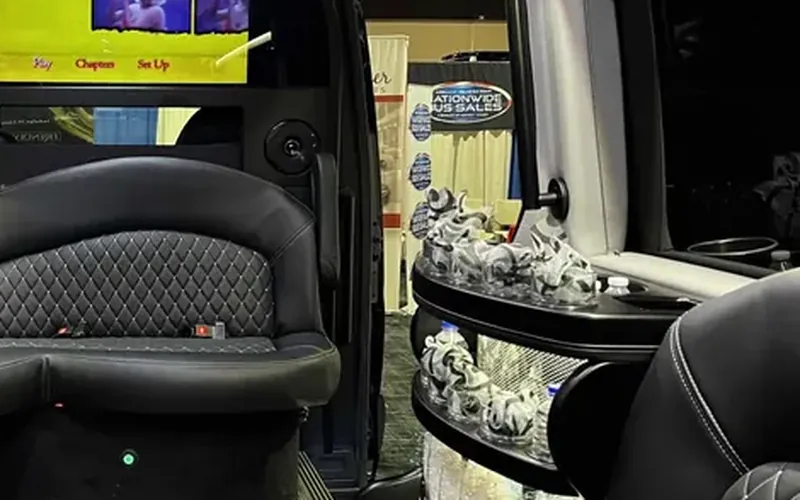
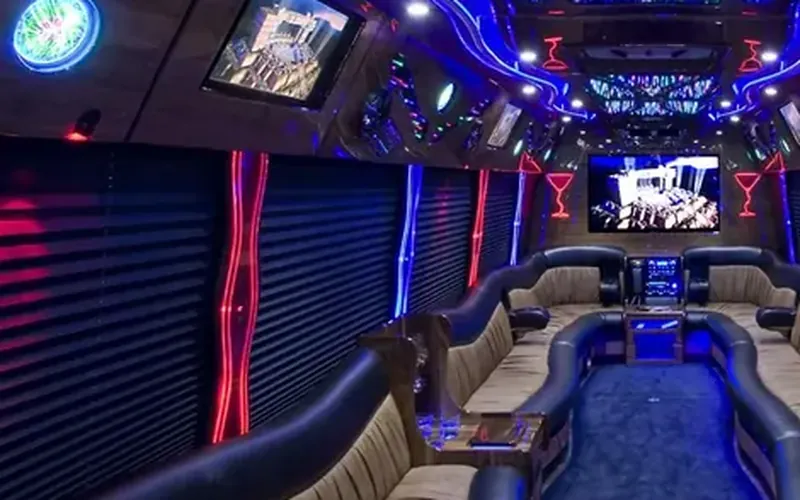
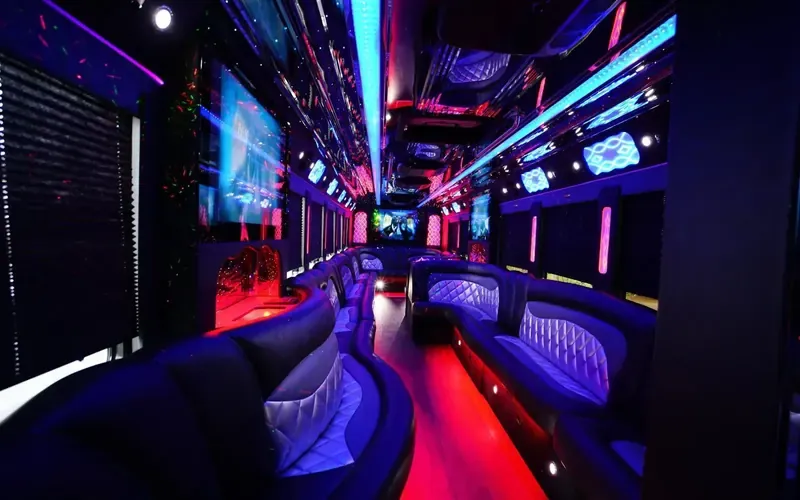
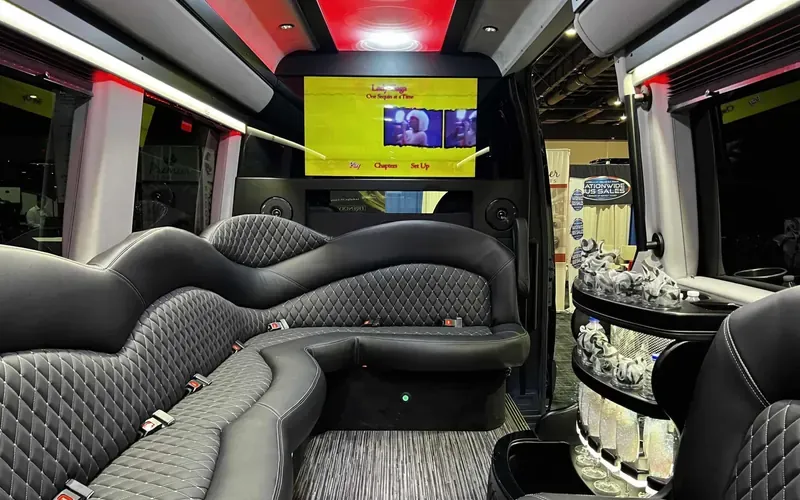
One vehicle for the whole party solves that. It also gives you a single point of contact, a single pickup plan and a place to leave jackets and coolers between the ride in and the ride out. Larger groups can move in a private group shuttle or a party bus if the day includes more than the race.
Match the vehicle to the headcount. A sedan suits a couple, an SUV fits a family with luggage, a Sprinter handles a dozen people comfortably, and a mini bus or party bus covers a full hospitality group. Exact seat counts are confirmed on your quote.
| Group size | Typical vehicle | Good for |
|---|---|---|
| 1–3 | Luxury sedan | Couples, solo travelers, business guests |
| Up to 6 | Executive SUV | Families with luggage, small groups |
| 10–14 | Mercedes Sprinter | Friends traveling together, corporate groups |
| 20–30 | Mini bus shuttle | Hospitality parties, fan clubs |
| 20–40 | Party bus | Large celebrations around race weekend |
Booking your Daytona 500 ride
Race weekend is one of the busiest travel periods in Florida, and chauffeur availability tightens as the date approaches. Start the conversation weeks or months ahead, especially if you need a larger vehicle or a multi-day arrangement covering arrival, race day and departure.
Expect pricing to be quoted per trip rather than by a published rate. What drives the quote is the vehicle type, the distance, the hours you need the car and driver, the date, and any minimums the operator applies on event weekends. Gratuity, tolls and fees are itemized separately so you can see what you are paying for.
Ask for a written quote and read it closely. Confirm the pickup time, the pickup address, the return plan and what happens if the race runs long. A chauffeur service booked by the hour is often the better fit for race day, because it keeps the vehicle and driver with you instead of leaving you to rebook at the end of a long afternoon.
Book early: event weekends fill up, particularly larger vehicles.
Share your schedule: flight times, hotel address and race-day plans.
Confirm the return: agree on a pickup window and meeting point.
Ask about wait time: understand how the operator handles delays.
Get it in writing: a flat, itemized quote before you commit.
Making race weekend easier
A few habits make the whole trip smoother. Arrive in the area at least a day before the race rather than flying in the same morning. Stay somewhere with easy road access rather than deep in a resort property. Keep your race-day bag small and your phone charged.
If you are combining the race with time in Orlando or on the Space Coast, a car and driver by the hour lets you link the pieces without rebooking each leg. That is the same logic behind a black car service for business travel: one point of contact, one plan, no scrambling.
Finally, treat the schedule as a guide rather than a contract. Weather, caution periods and post-race ceremonies can all push the finish later. A driver who knows you are at the track and waits for your message is worth more than a rigid timetable.
| When | What to do |
|---|---|
| Months ahead | Book hotel and transportation; confirm vehicle size |
| Weeks ahead | Share flight details and race-day plans with your provider |
| Day before | Confirm pickup time and address; check the Speedway's traffic guidance |
| Race morning | Leave early; eat and fuel up before the approach roads |
| After the race | Message your driver; expect a wait at pickup |
February weather and what to pack
Daytona in February is mild by Florida standards, but it is not Miami. Days are often pleasant and sunny, evenings can be cool, and a front can move through and drop temperatures quickly. Rain is possible, and a wet race day changes both the schedule and the traffic.
Dress in layers you can shed at the track and put back on for the ride home. Comfortable shoes matter more than you think given the walk from the drop-off area to your seats. A light rain jacket packs small and beats an umbrella in a crowd.
For the ride itself, keep it simple. A small bag with a charger, a jacket and snacks is easier to manage than a cooler and three tote bags when you are meeting a driver in a crowd. If you are traveling with children, bring what they need for a long day and confirm car seat arrangements with your provider in advance, since Florida law sets the requirements and this is general information, not legal advice.
Frequently asked questions
Frequently asked questions
How far is Daytona International Speedway from Orlando?
It is roughly 55 to 65 miles depending on where in Orlando you start, usually a little over an hour in normal traffic. On race morning, plan for longer and leave well before you think you need to.
Can a chauffeured car drop me at the Speedway gate?
Vehicles are directed to designated drop-off areas set by the Speedway for race weekend, and the walk from there to the gates can be long. The exact zones are published by the track and can change, so confirm the current plan before race day.
How early should I leave for the Daytona 500?
If you are coming from Orlando, leaving three to four hours before the green flag is a sensible starting point. From the beach hotels, allow an hour because of the bridge traffic. Build in time for the walk from drop-off.
Is a group shuttle better than several cars?
For most groups, yes. One vehicle keeps everyone together, gives you a single pickup plan and avoids splitting up in traffic. Larger parties can use a Sprinter, mini bus or party bus depending on headcount.
What happens after the race ends?
Traffic leaving the Speedway is slow for a while. Agree on a meeting point and pickup window before the race, message your driver when it ends, and expect to wait a little along with everyone else.
Do I need to book transportation in advance for race weekend?
Yes. Race weekend is one of the busiest in Florida and availability tightens, especially for larger vehicles. Booking weeks or months ahead gives you more choice and a confirmed plan.
Are you affiliated with the Daytona 500?
No. We are a chauffeured car service, not an official provider of the Daytona 500 or Daytona International Speedway. Check the track's official website for current race-day rules, gates and drop-off locations.