Moscone Center transportation comes down to a few decisions: which airport you fly into, where you are staying, and how much of SoMa is closed off during your event. The convention campus sits in the South of Market district, a few blocks from Union Square and within easy reach of most downtown hotels. The right plan depends on whether you are arriving for a trade show with a fixed badge-pickup time or simply heading to a meeting nearby.
This guide covers the realistic ways to get to and from Moscone Center, from SFO and Oakland airport transfers to hotel pickups and walking routes. It also explains how street closures and heavy traffic change the math during large conferences, and where a car can actually stop. Confirm event-specific details, such as which hall is open and which entrances are in use, with your event organizer and the venue's official website before you travel.
Where Moscone Center sits and why that matters
Moscone Center occupies several blocks of SoMa between Mission Street, Howard Street and the Yerba Buena Gardens area. The campus is split into halls, and the entrance you need depends on which event you are attending. That detail matters more than the street address, because arriving at the wrong side can mean a ten-minute walk with a suitcase.
SoMa is dense, one-way in places, and busy on weekdays even without a convention in town. The streets around the center carry commuter traffic, delivery trucks and transit, and the blocks closest to the halls fill up fast during large events. A driver who knows the neighborhood will position you on a cross street rather than fight for space directly in front of a hall.
The neighborhood also connects well on foot. Union Square is roughly a fifteen- to twenty-minute walk, and the Embarcadero, Market Street and the waterfront are all within reach. If your hotel is downtown, walking is often the fastest option on a sunny morning. The trade-off is luggage, rain and late finishes, which is where a car earns its place.
Moscone Center transportation from SFO
San Francisco International Airport is the closest major airport to the convention campus, usually about twenty to thirty minutes by car depending on traffic. The route runs north on US-101 and then into the city via the Central Freeway or I-280, both of which feed into SoMa. Midweek morning arrivals can stretch that drive considerably, so build a buffer if you have a badge pickup or a session start time.
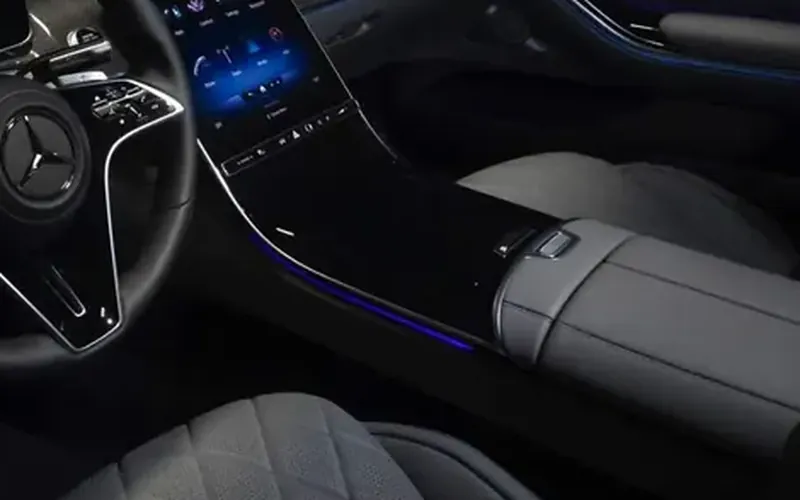
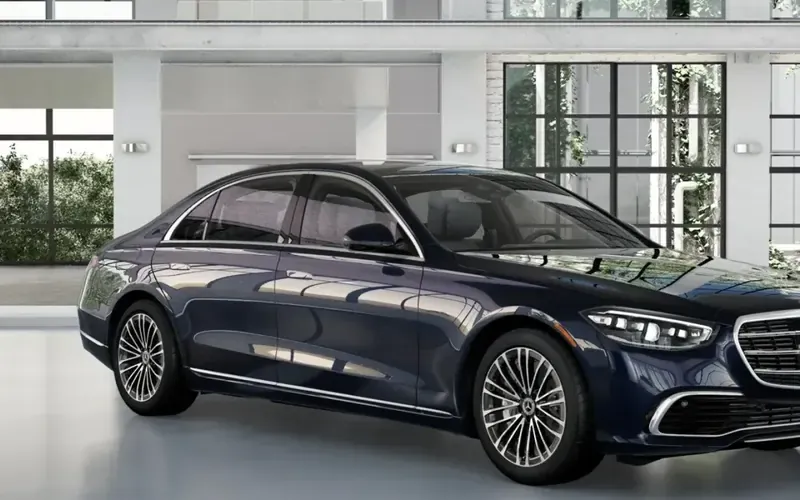
A pre-arranged SFO airport car service is the simplest option for convention travel. Your flight is tracked, so a delay does not leave you scrambling, and the driver meets you at arrivals rather than you hunting for a curb space. For international arrivals, allow extra time for customs and baggage before you expect to be on the road.
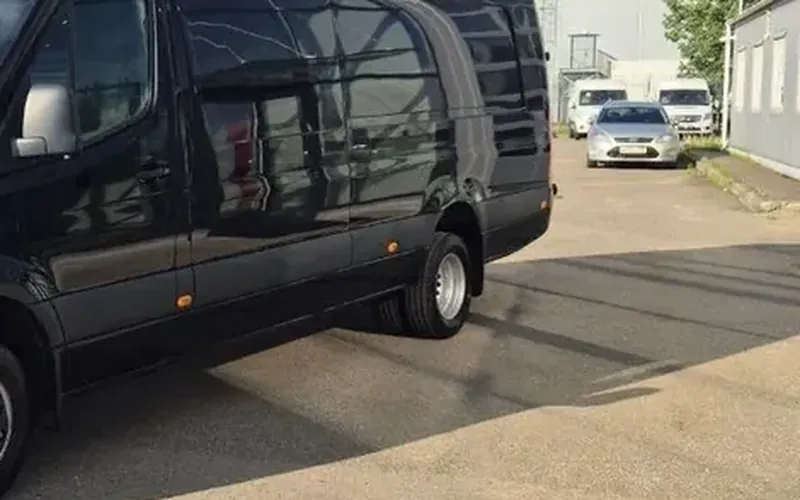
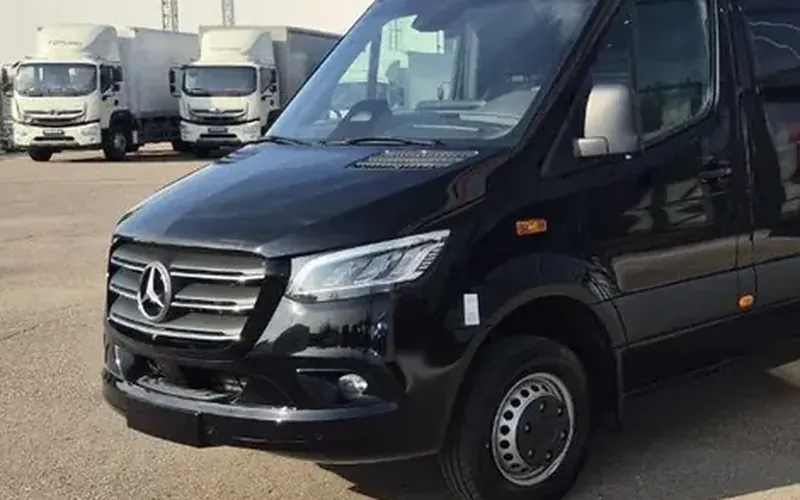
If you are traveling with a team or a booth crew, size the vehicle to the luggage, not just the headcount. A Mercedes Sprinter handles a group of ten to fourteen with cases and display materials far better than two sedans. For a single traveler with a carry-on, a luxury sedan is the efficient choice.
Book before you fly: a flat, itemized quote confirmed in advance beats hailing something at the curb.
Share the hall name: tell your driver which hall or entrance your event uses, not just "Moscone Center."
Add a buffer: allow extra time for morning bridge and freeway traffic into SoMa.
Confirm the meet point: for airport pickups, agree on a meeting spot inside the terminal before you land.
Oakland Airport and other arrival options
Oakland International Airport sits across the bay and is often used when SFO fares or schedules do not work. The drive into SoMa usually crosses the San Francisco–Oakland Bay Bridge, which can be slow during commute hours and especially heavy when a major event is in town. Budget more time than the map suggests, and more still if you land in the late afternoon.
From OAK, a chauffeured transfer is straightforward: you are met at the terminal and driven directly to your hotel or the convention campus. Public transit is possible via BART into the city and then a walk or short ride, but it involves transfers with luggage. For a first-time visitor hauling a suitcase and a laptop bag, the door-to-door option is usually worth it.
San Jose and Sacramento airports are further out and rarely the practical choice for a Moscone event unless your itinerary already points there. If you are combining a convention with a Bay Area trip, a long-distance car service can handle the leg between cities without you changing plans mid-trip.
Hotels near Moscone Center and how to plan the ride
Most convention attendees stay either in SoMa itself or around Union Square, and both work well. SoMa hotels put you within a short walk of the halls, which is ideal for early sessions and late exhibitor hours. Union Square hotels give you more dining and shopping on the doorstep and a walk of roughly fifteen to twenty minutes to the campus.
Well-established hotels in the area include the San Francisco Marriott Marquis on Fourth Street, the InterContinental San Francisco on Howard Street, the Palace Hotel on Market Street, the Westin St. Francis on Union Square, the Grand Hyatt near Union Square, and the Hyatt Regency Embarcadero. Availability, rates and shuttle arrangements change constantly, so check current details and reservations directly with the hotel.
From a Union Square or Embarcadero hotel, a short hourly chauffeur service booking covers the morning drop-off and the evening return without you re-booking twice. That is useful when your day runs long and you do not want to think about the ride home. If your company is moving several people between hotels and the venue all week, a corporate transportation plan with scheduled loops keeps everyone on the same timetable.
| Starting point | Usual drive time | What to plan for |
|---|---|---|
| SFO | About 20–30 minutes | Freeway traffic on weekday mornings; allow a buffer |
| OAK | About 30–45 minutes | Bay Bridge congestion, especially at commute hours |
| Union Square hotel | About 5–10 minutes by car | Often faster on foot; car helps with rain or luggage |
| SoMa hotel | A few minutes or a short walk | Closest option; confirm your hall entrance |
| Embarcadero | About 5–10 minutes | Easy ride; watch event-day street changes |
| Peninsula or South Bay | About 30–60 minutes | Plan around morning and evening commute peaks |
Drop-off points and what drivers can actually do
The blocks immediately around Moscone Center are not a simple curb drop. During large events, the streets closest to the halls may be closed, converted to pedestrian zones or restricted to permitted vehicles. Loading zones fill quickly, and a driver cannot legally stop in a traffic lane while you gather your bags.
The practical approach is to agree on a drop-off a block or two from your hall, on a cross street where stopping is allowed. Howard Street, Folsom Street and the side streets around Yerba Buena Gardens are common reference points, but the right one changes with the event layout. Ask your event organizer which entrances are open and whether any streets are closed, then pass that to your driver.
For pickups after a session, choose a landmark rather than an address. A hotel lobby, a corner with a visible sign or a specific garage entrance is easier to find than "outside the center." If you are coordinating a group, send everyone the same pin and a meeting time a few minutes before the car arrives. A black car service with a named chauffeur and a confirmed pickup point removes most of the guesswork.
Traffic, street closures and conference-week timing
A major conference at Moscone changes the rhythm of SoMa. Streets near the campus may close, sidewalks get crowded, and nearby garages fill early. Rides that normally take minutes can take much longer when thousands of attendees leave a hall at the same time. None of this is unusual, but it does reward planning.
Build your day around the event schedule rather than the map. Leave earlier than you think you need to for the first session, and expect the biggest crunch right after a keynote or at the end of the exhibit floor. If you are staying within walking distance, walking is often faster than waiting for a car during those peaks.
Check the venue's official website and your event organizer's communications for street closures and entrance changes; these are announced close to the event and can shift day to day. Local traffic conditions from a maps app help in the moment, but they do not know about a security perimeter. When in doubt, ask your chauffeur to pick you up a few blocks out and walk the last stretch.
Morning arrivals
Aim to reach the neighborhood well before doors open. Traffic into SoMa is heaviest in the commuter window, and badge pickup lines add time once you are inside.
Evening departures
Leave a buffer after the floor closes. Everyone exits at once, so a car waiting a block away beats one trying to reach the front door.
Choosing a car for convention travel
The right vehicle depends on who is traveling and what they are carrying. A single attendee with a carry-on and a laptop bag fits a sedan. Two colleagues with samples and a display case are better off in an executive SUV. A booth team with crates needs a van or a shuttle, and a group arriving for a customer dinner needs something that keeps everyone together.
Match the vehicle to the luggage, not just the seat count. A sedan that seats three comfortably will not take three large suitcases plus carry-ons. Tell the booking team how many bags you have and whether anything is oversized, and confirm the vehicle on your quote before you travel.
Pricing is quoted per trip, with gratuity, tolls and fees listed separately, so you can see what you are paying for before you commit. Bridge tolls apply on some routes, and airport pickups may include meet-and-greet arrangements; all of that should appear on the written quote. Request a quote with your dates, times, pickup points and passenger count, and compare the total rather than a headline rate.
Making the week run smoothly
Convention weeks go better when the transport is boring. Book the airport transfers first, then the daily movements between hotel and venue, then the evening dinners and any off-site events. Keep one document with addresses, times and confirmation numbers, and share it with anyone traveling with you.
If your company is sending a team, a single point of contact for transport saves a lot of messages. A corporate transportation plan can cover scheduled shuttles between hotels and the campus, plus on-call cars for meetings that run late. For a larger delegation, a mini bus shuttle keeps everyone on one timetable and avoids a scattered arrival.
Finally, confirm the small details the day before each leg: pickup time, meeting point, vehicle and passenger count. For a broader look at moving around the city between sessions and dinners, see our San Francisco limo service page. A few minutes of confirmation prevents most of the problems that make convention travel stressful.
Frequently asked questions
How far is Moscone Center from SFO?
It is usually about twenty to thirty minutes by car, depending on traffic. Weekday mornings and event days can push that longer, so allow extra time if you have a session or badge pickup to reach.
What is the best way to get from SFO to Moscone Center?
A pre-booked car with flight tracking and a confirmed pickup point is the most predictable option, especially with luggage. Public transit works but involves transfers, and curb pickups can be slow during busy periods.
Where should I be dropped off at Moscone Center?
It depends on your event and which hall you are using. Ask the organizer which entrances are open, then agree on a cross street or nearby hotel lobby a block or two away where a car can legally stop.
Is it walkable from Union Square to Moscone Center?
Yes, it is roughly a fifteen- to twenty-minute walk. Many attendees walk in good weather and take a car when it rains, when they are carrying materials, or when the day runs late.
Does traffic get worse during big conferences?
Yes. Large events bring street closures, crowded sidewalks and heavy demand for nearby garages. Expect longer rides around session start and end times, and check the venue's official website for closure notices.
Can I book a car for a whole convention week?
You can schedule airport transfers and daily movements in advance, including recurring hotel-to-venue runs. Share your itinerary, passenger counts and pickup points, and confirm each leg the day before.
How do I compare quotes for convention transportation?
Ask for a written, itemized quote that lists gratuity, tolls and fees separately, and confirm the vehicle and passenger capacity. Compare totals for the same itinerary rather than headline rates.