Research Triangle Park sits between Durham, Raleigh and Chapel Hill, and that in-between location shapes every business trip here. RDU is close, the highways are fast, and the hotels are spread across three cities. Good Research Triangle Park transportation planning comes down to matching your vehicle and timing to a day that rarely stays in one place.
This guide covers how RTP trips usually work: landing at RDU, driving in on I-40 or I-540, choosing a hotel base in Durham, Raleigh or Cary, and stringing together several meetings without losing time to parking and pickups. It is written for visitors, visiting teams and the people who book travel for them.
Why Research Triangle Park transportation needs its own plan
The park is not a downtown. It is a large, low-rise business campus spread across thousands of acres of pine forest between three cities, with buildings set back from the main roads and connected by a network of park drives. Addresses that look close on a map can still be a ten-minute drive apart.
That layout changes how you plan rides. A single drop-off in the morning may not serve a day with three meetings in three different buildings. You also need to think about where you are staying, because the nearest hotel may be in Durham while your first meeting is closer to Raleigh.
Traffic is usually manageable by big-city standards, but the park has clear rush-hour patterns. People arrive mid-morning and leave in the late afternoon, and the I-40 exits near the park get busy at those times. Build a buffer into anything time-sensitive, especially a flight out of RDU.
The practical answer for many visiting teams is a corporate transportation arrangement with a vehicle and chauffeur on hold for the day, so the schedule can shift without rebooking a ride each time.
Flying in: RDU and the other airport options
Raleigh-Durham International Airport (RDU) is the default arrival point for RTP. It sits roughly midway between Raleigh and Durham, just north of the park, and the drive to most RTP addresses is short, usually well under half an hour depending on where in the park you are going and the time of day.
RDU has two terminals, and which one you use depends on your airline. Rather than guess, check the airport's website or your airline's app before you book a pickup, since terminal assignments can change. If you want the details on how arrivals work there, our RDU Airport Car Service page covers the pickup process.
A few travelers use Piedmont Triad International to the west or another regional airport, but for RTP, RDU is almost always the right call. If your trip starts or ends in the Triangle's core cities, a Durham car service can handle the whole itinerary, airport included.
For arrivals, the main decision is how you get from the curb to your hotel or first meeting. A tracked airport pickup means the driver adjusts to a delayed flight instead of charging you for waiting on the tarmac.
What to expect at RDU pickup
Commercial pickup areas at RDU are designated, and your driver will tell you where to meet. Confirm the meeting point in your booking confirmation rather than wandering the curb, and give the driver your flight number so the pickup is tracked.
Driving in: I-40, I-540 and the park roads
Two interstates do most of the work. I-40 runs east-west through the corridor, with exits that put you on the park's main north-south roads. I-540 loops around the northern side of the metro, connecting RTP with north Raleigh and RDU.
Which one you use depends on your origin. From Durham and Chapel Hill, I-40 is usually the direct choice. From north Raleigh, Wake Forest or the RDU area, I-540 often makes more sense. From Cary, you are likely to use I-40 or the park's own connector roads.
Inside the park, speed limits drop and the roads curve through the trees. GPS is reliable here, but building entrances can be easy to miss, so give your driver the specific building name and address, not just the park name.
If you are driving yourself, parking at RTP buildings is generally surface lot parking tied to the building, and visitor spaces are usually marked. Rules vary by property, so confirm with whoever you are visiting. A chauffeured car avoids the question entirely, since the driver handles drop-offs and waits.
Choosing a hotel base in Durham, Raleigh or Cary
There is no hotel district inside the park itself, so most visitors stay in one of the three surrounding cities. The right choice depends on where your meetings cluster and what you want in the evening.
Durham is closest to the park's western and central sections and has a walkable downtown with restaurants and hotels. Raleigh is a longer drive but puts you near the state government district, the warehouse district and more evening options. Cary sits south of the park and is quiet, convenient and close to I-40.
Chapel Hill, southwest of the park, is another option if your trip includes the university area. It is a longer commute into RTP but a pleasant base for a mixed business and campus visit.
Well-established hotels in the area include properties in downtown Durham, downtown Raleigh, and the Cary and RDU corridor. Names change hands, so confirm current details and availability directly before booking. Ask about parking, since downtown hotels often charge for it.
| Base | Best for | Drive to central RTP |
|---|---|---|
| Durham | Short commutes, walkable downtown evenings | Usually the shortest of the three |
| Raleigh | Government meetings, more evening choices | Longer, often via I-40 or I-540 |
| Cary | Quiet stays, easy I-40 access | Moderate, straightforward drive |
| Chapel Hill | University visits mixed with RTP meetings | Longer, southwest of the park |
Planning a multi-stop meeting day
A typical RTP day for a visiting team looks like this: hotel pickup, two or three meetings in different buildings, a lunch somewhere in the park or nearby, and a return to the hotel or the airport. The distances are short, but the transitions add up.
Here is how experienced travelers structure it.
A vehicle on hold for the day solves the hardest part. Instead of summoning a ride after each meeting, your chauffeur waits nearby and moves when you do. If your day includes a formal dinner or a reception, an hourly chauffeur service can extend into the evening without a new booking.
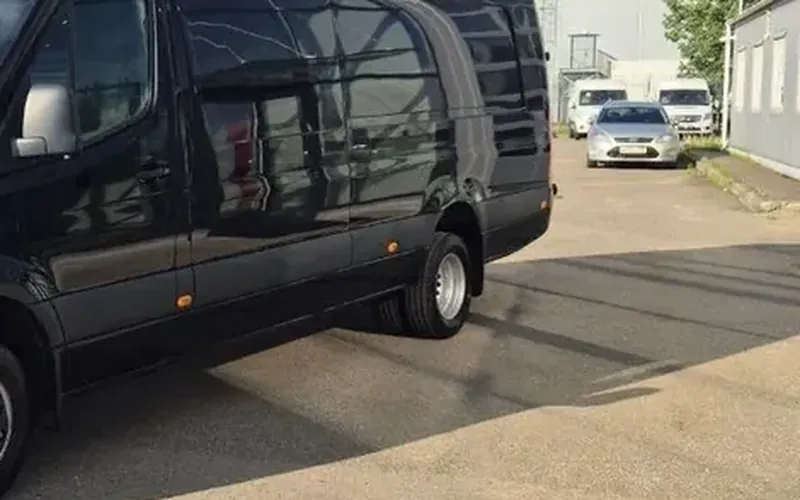
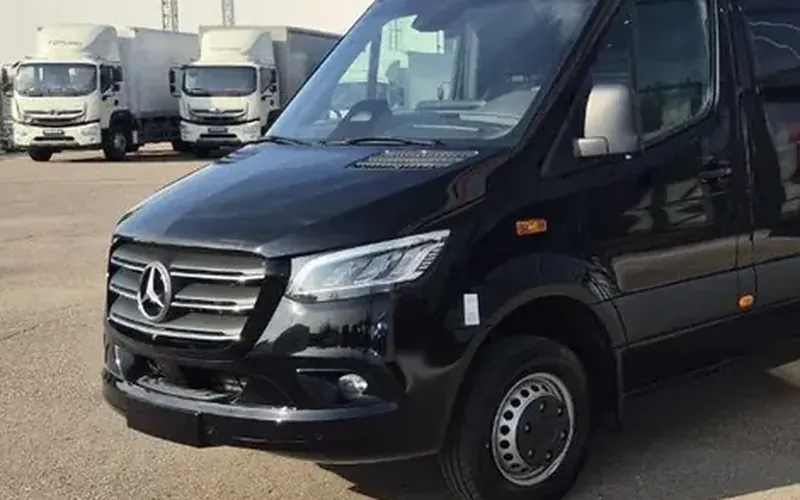
If your group is larger than a sedan or SUV holds, a Mercedes Sprinter keeps a team together between buildings, which is often more useful than splitting into separate cars.
Bold label: Confirm building addresses: Get the full street address and building name for each stop, not just the park name.
Bold label: Group meetings by city: Cluster Durham-side stops together and Raleigh-side stops together to cut highway time.
Bold label: Build in transition time: Allow a buffer between buildings for park roads, parking decks and lobby check-ins.
Bold label: Book the vehicle for the day: A driver on hold beats rebooking after every meeting.
Bold label: Plan the airport run last: Leave a generous buffer for the RDU drive, especially in late-afternoon traffic.
Vehicles that fit an RTP business trip
Vehicle choice usually comes down to group size, luggage and how much time you will spend in the car. For a single traveler or a pair, a luxury sedan is the standard choice for airport runs and meetings.
For a small team with luggage, an executive SUV gives you room without stepping up to a larger vehicle. Groups of five or more often prefer a Sprinter, which keeps everyone in one place and has space to work between stops.
If your trip includes moving a larger delegation between a hotel and a conference venue, a mini bus handles that well. The exact vehicle for your booking is confirmed on your quote, so you know what is arriving.
One more consideration: luggage. A team arriving on a long-haul flight with several bags each will want more space than a sedan offers, even for three people. Mention bag counts when you request a quote.
What drives the cost of RTP business travel
Pricing for chauffeured transportation is quoted per trip, and several things shape the quote. The vehicle type matters most, since a sedan and a Sprinter are different bookings.
Distance and time are the next factors. An airport transfer is usually a flat rate based on the route, while an hourly booking is priced on the hours you reserve, often with a minimum. Multi-stop days are usually quoted as hourly service rather than a series of point-to-point rides.
Date and time matter too. Weekday mornings in the park are the busiest window, and a very early flight or a late dinner may fall outside standard hours. Gratuity, tolls and fees are listed separately on the quote, so you can see what each line covers.
To compare quotes fairly, ask for the same vehicle class, the same hours and the same stops from each provider, and check whether gratuity and fees are included. Then request a written quote for your dates and itinerary so the numbers are comparable.
Practical tips for a smooth RTP trip
A few habits make Research Triangle Park transportation simpler. First, share your full itinerary with whoever books your ride, including flight numbers, hotel address and every meeting stop.
Second, keep the airport buffer generous on departure day. The RDU drive is short, but security lines and rental car returns are the variables, and the airport's website is the place to check current guidance.
Third, decide early whether you want a driver on hold or point-to-point rides. Days with three or more stops usually favor the first. Days with one meeting and a flight home usually favor the second.
Finally, if your trip extends into the evening, ask about a later pickup when you book rather than the day of. A night out car booking can cover dinner in downtown Durham or Raleigh and the return to your hotel.
This article is general planning information. Confirm current airport procedures, hotel policies and any local rules with the official sources before you travel.
Frequently asked questions
How far is Research Triangle Park from RDU airport?
RDU sits just north of the park, and the drive to most RTP addresses is short — usually well under half an hour depending on your building and the time of day. Allow extra time during the morning and late-afternoon rush.
Should I stay in Durham, Raleigh or Cary for an RTP business trip?
Durham is usually closest to the park's central sections and has a walkable downtown. Raleigh suits trips with government or downtown meetings and more evening options. Cary is quiet and convenient to I-40. Pick based on where your meetings cluster.
Is it better to rent a car or book a chauffeur for RTP meetings?
If your day has several stops in different buildings, a chauffeur on hold saves time otherwise spent parking and rebooking. If you have one meeting and a flight home, point-to-point rides are simple and often cheaper.
How do I handle a multi-stop day in the park?
Give your provider the full address and building name for each stop, group meetings by city, and book the vehicle hourly so the driver waits between appointments. Build in a buffer between buildings.
What vehicle works for a small team with luggage?
An executive SUV suits a small team with bags, and a Mercedes Sprinter works well for groups of five or more who want to stay together. Mention luggage counts when you request a quote so the right vehicle is assigned.
How is pricing for RTP transportation quoted?
Quotes are per trip and depend on vehicle type, distance or hours, date and time, and any minimums. Gratuity, tolls and fees are listed separately. Request a written quote with your full itinerary so you can compare options.
Can I book a ride for an early flight out of RDU?
Yes, bookings are accepted at any hour. Give your flight number and pickup time when you book, and confirm the meeting point in your confirmation so the morning goes smoothly.