A roadshow car service is a chauffeured vehicle and driver reserved for the whole working day of an investor roadshow, not just a single ride. Instead of booking a separate car for each meeting, you keep the same chauffeur and vehicle on standby from the first pickup to the last drop-off, with the schedule built around your meeting times.
That matters because roadshow days are tight. You might see five or six investors between morning and late afternoon, then catch a flight to the next city and repeat. This guide explains how the day usually runs, what to plan between meetings, how airport transfers fit in, and what to ask when you request a quote.
What a roadshow car service includes
A roadshow is a stretch of back-to-back investor meetings, usually arranged by a bank or advisor, held in one city or across several. The transportation side is simple in concept: a vehicle and chauffeur at your disposal for the day, moving you from hotel to meeting to lunch to the next meeting, then to the airport.
With a roadshow car service, you book by time rather than by trip. The chauffeur is assigned to you for the block of hours you need, and the vehicle stays with you between stops. That is different from booking a separate car each time you move, where a new driver, a new pickup point and a new wait are part of every leg.
Most roadshow bookings fall into two shapes. A single-city day runs from a hotel pickup in the morning through a series of downtown or suburban meetings and ends at the hotel or a dinner. A multi-city day adds an airport run in the middle, with the same service repeated in the next city.
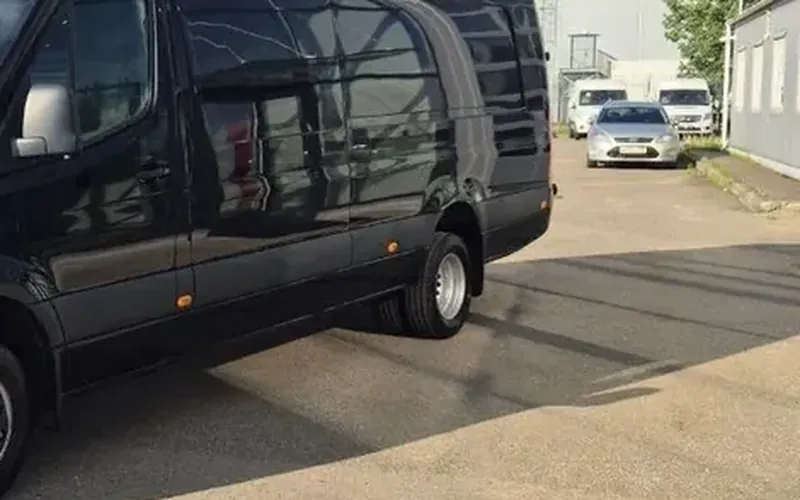
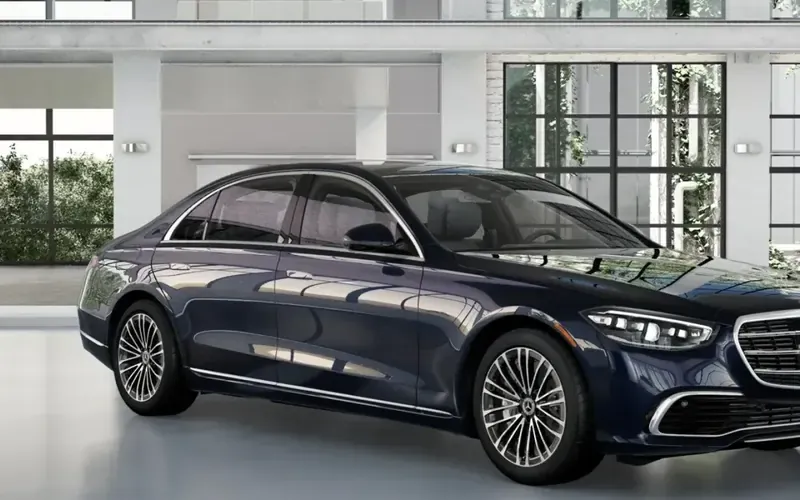
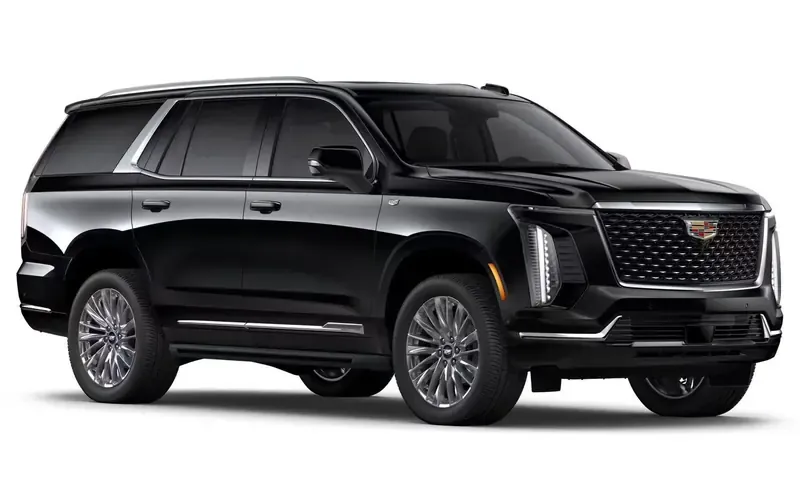
The vehicle choice usually follows group size and luggage. A luxury sedan suits one or two executives moving between meetings. An executive SUV gives more room for luggage and presentation materials on a multi-city trip, and a Mercedes Sprinter works when a small team travels together.
Same chauffeur all day: One driver who learns your schedule and stays with the vehicle between stops.
Hourly booking: You reserve a block of time, not individual trips, so short hops are easy.
Vehicle on standby: Luggage, bags and materials stay in the car rather than in a coat check or lobby.
Airport runs built in: Transfers to and from the FBO or commercial terminal are part of the day plan.
Direct coordination: The chauffeur or dispatch can adjust the route when a meeting runs long.
How a typical roadshow day is scheduled
Roadshow schedules are set by the organizing bank or advisor, and they tend to be dense. A common pattern starts with a hotel pickup well before the first meeting, several investor meetings through the morning, a working lunch, more meetings in the afternoon, and a dash to the airport for an evening flight.
The car service plan should mirror that calendar rather than replace it. Give your provider the meeting addresses, the times, and the flight details if there is one, and let them build a route. In dense downtowns, meeting locations can be a short drive apart but a long walk, so the car earns its keep on the short hops as much as the long ones.
Build in buffers. Meetings with investors often run over, and a schedule with no slack turns one late meeting into three. A realistic plan leaves time between appointments for elevator waits, security desks in office towers, and the walk from the curb to the conference room.
If your roadshow spans cities, treat the airport leg as its own appointment. Allow time to leave the last meeting, reach the airport, clear security and board. Your chauffeur should know the flight time so they can prompt you when the window tightens.
| Time block | What happens | Transportation note |
|---|---|---|
| Early morning | Hotel pickup, first meeting | Chauffeur arrives ahead of time; luggage stays in the vehicle |
| Mid-morning to noon | Two or three investor meetings | Short hops between buildings; driver waits nearby |
| Lunch | Working lunch or a break | Car holds your bags and materials; driver stays on call |
| Afternoon | Remaining meetings | Buffers between appointments protect the schedule |
| Late afternoon | Airport run or hotel drop-off | Flight tracked; route adjusted if the last meeting runs long |
Why the same chauffeur stays with you
Consistency is the main reason roadshow teams book by the day. When the same chauffeur drives you from the first pickup to the last drop, they learn the day: which entrance your hotel uses, where the car can wait near each office tower, and how long the walk from the curb actually takes. That familiarity saves minutes at every stop.
There is also a practical side. On a roadshow you are often carrying a laptop bag, a garment bag, printed materials and sometimes a change of clothes for dinner. Leaving those in a car with a driver you have met is far simpler than carrying everything into every meeting or trusting a lobby coat check.
A dedicated chauffeur also makes changes easier. If an investor adds a meeting or a call runs long, you tell one person and the plan adjusts. You are not re-booking a car, re-entering an address or waiting for a new driver to find the building.
That continuity is the core of a good hourly chauffeur service. Ask when you book whether the same chauffeur is assigned for the full day and whether they stay with the vehicle between stops, since that is the detail that separates a roadshow booking from a series of separate rides.
Planning buffers between investor meetings
Buffers are the least glamorous part of roadshow planning and the most important. A schedule that assumes every meeting ends on time will fail somewhere around the third appointment. Investors take calls, run over and occasionally move you to a different floor at the last minute.
A workable rule is to leave a cushion between meetings that covers the drive plus the building. In a dense downtown, the drive may be short but the elevator ride, security desk and walk to the conference room can take longer than expected. In a suburban office park, the drive is longer and parking takes time.
Tell your chauffeur the plan for the day, not just the next address. A driver who knows there are three more meetings after this one will position the car to leave quickly rather than settling into a long wait. They can also suggest a staging spot near the next building.
If a meeting runs very long, decide in advance what gets cut. Most roadshow teams would rather shorten a lunch break than arrive late to the airport. Having that call made early keeps the rest of the day intact.
City traffic and time of day
Downtown cores in Miami, Los Angeles, San Francisco, Charlotte and Phoenix all slow down at different hours. A mid-morning hop across downtown can take far longer than the same drive at midday. Your chauffeur should know the local patterns and route around them.
Building access and security
Many office towers require photo ID and a visitor badge, and some need advance registration. Ask the organizing bank what each building requires so your driver can drop you at the right entrance and you are not stuck in a lobby.
Airport runs between roadshow cities
Multi-city roadshows live or die on the airport legs. You finish the last meeting, reach the terminal or private terminal, and fly to the next city, where another car should be waiting. The tighter that handoff, the more the day depends on planning.
For commercial flights, the car service should track the flight and plan the drop-off around it. Confirm which airport and terminal your flight uses, since larger metros have several and the wrong one costs you the day. Airport websites list current terminal assignments, and those can change, so check before you travel.
For private aviation, the timing is different. You may go straight from a meeting to an FBO with little notice, and the schedule can shift while you are in the air. A provider that handles private jet and FBO pickups can adjust the ground plan as the flight moves.
Between cities, the practical advice is to keep the same pattern: car to the airport, car from the airport, same-day service in the next city. If you are running a roadshow across several markets, a provider that operates in all of them keeps the standard consistent. Limoisa covers Florida, California, North Carolina and Arizona, which covers many of the cities roadshows visit.
Choosing the right vehicle for a roadshow
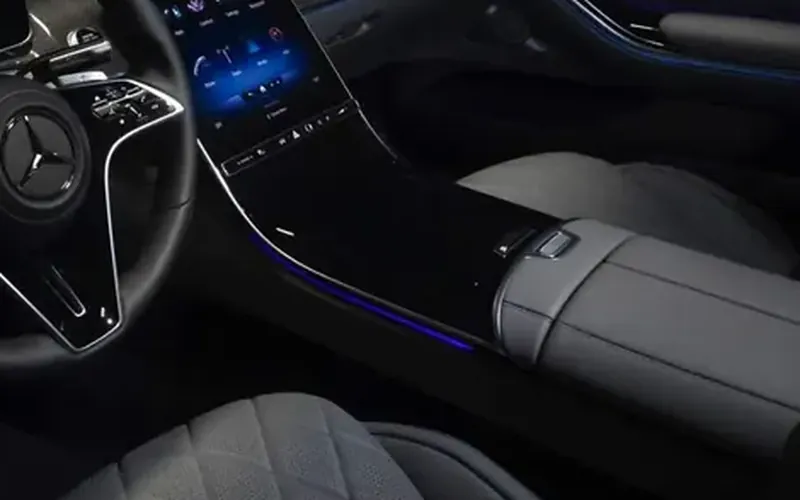
Vehicle choice on a roadshow comes down to how many people are traveling, how much luggage and materials you carry, and how much time you will spend in the car. Most roadshow days involve long stretches of waiting, so comfort matters more than it might on a single airport run.
For one or two executives with carry-on luggage, a sedan is usually enough. For a small team with garment bags, presentation cases and a full multi-city itinerary, an SUV or Sprinter gives everyone room and keeps the cabin usable as a workspace between meetings.
If your roadshow includes a dinner or an evening event after the meetings, the same vehicle can usually cover it. Just book the hours to match. Extending a day at the last minute is possible but easier to arrange in advance.
| Vehicle | Typical capacity | Best for |
|---|---|---|
| Luxury Sedan | Up to 3 passengers | One or two executives, single-city days, airport runs |
| Executive SUV | Up to 6 passengers | Small teams with luggage and materials |
| Mercedes Sprinter | 10 to 14 passengers | Larger teams, multi-city trips, working space in the cabin |
| Mini Bus Shuttle | 20 to 30 passengers | Analyst groups or larger delegations moving together |
What to send when you request a quote
A roadshow quote is only as good as the information you provide. The more detail you send up front, the more accurate the plan and the fewer surprises on the day. Start with the date, the city or cities, and the start and end times you expect.
Then add the schedule. Meeting addresses, the hotel, the airport and flight times, and any dinner or evening event all shape the route. If the schedule is not final, send what you have and note that it may shift. Providers who work with roadshows are used to changing calendars.
Ask for a written, itemized quote before you book. Gratuity, tolls and fees should be listed separately so you can see what is included. Confirm the vehicle type and the chauffeur assignment, and ask how changes on the day are handled.
Finally, confirm the cancellation and change policy. Roadshows get rescheduled, and knowing the terms in advance avoids awkward conversations later. If you are coordinating travel for a team, a single point of contact at the provider makes the whole week easier.
Dates and cities: Every city on the itinerary, with arrival and departure days.
Meeting schedule: Addresses and times for each investor meeting, plus the hotel.
Flight details: Airline, airport, terminal and flight times, or FBO details for private aviation.
Group size: How many people travel, and how much luggage and material you carry.
Evening plans: Dinners, events or a late return to the hotel.
Contact on the ground: Who the chauffeur should call if a meeting runs long.
Mistakes to avoid on a roadshow day
The most common mistake is treating the car as a series of separate rides. Booking each leg individually means new drivers, new pickup points and time lost at every handoff. A single all-day booking solves most of that.
The second is underestimating the airport. Terminal assignments, security lines and the walk to the gate vary by airport and time of day. Check the airport's own website for current terminal information and leave more time than you think you need.
The third is skipping the buffer. A schedule with no slack works until the first meeting runs long, and then it collapses. Build in time between appointments and decide early what gets cut if the day slips.
The last is not briefing the chauffeur. A driver who knows the full day can anticipate the next move, suggest a better staging spot and flag when the airport window is closing. Share the plan, not just the addresses.
How Limoisa handles roadshow travel
Limoisa provides chauffeured vehicles for roadshow days across Florida, California, North Carolina and Arizona, including airport transfers at the major airports in each state. Every booking includes a professional chauffeur, and prices are quoted as one flat, itemized amount before you book, with gratuity, tolls and fees listed separately.
Airport pickups are tracked to the flight, and bookings can be made at any hour. For roadshow teams, that means the same standard in every city on the itinerary, whether you are moving between investor meetings in Miami, San Francisco, Charlotte or Phoenix.
To plan a roadshow, send your dates, cities, meeting schedule and flight details and request a written quote. The more of the day you share, the more accurate the plan.
Frequently asked questions
These are the questions roadshow teams ask most often when planning transportation.
Frequently asked questions
What is a roadshow car service?
It is a chauffeured vehicle and driver reserved for the full working day of an investor roadshow. Instead of booking separate rides for each meeting, you keep the same chauffeur and vehicle on standby from the first pickup to the last drop-off.
How long should I book a car for a roadshow day?
Book the hours that match your schedule, from the hotel pickup through the last meeting or airport drop-off. If the day includes a dinner or evening event, extend the booking to cover it. It is easier to plan the full block in advance than to add hours on the day.
Can the same chauffeur stay with me all day?
Yes, and that is the usual arrangement for roadshow bookings. Ask when you request the quote to confirm the same chauffeur is assigned for the full day and stays with the vehicle between meetings.
How do airport transfers work between roadshow cities?
The car service plans the airport leg around your flight, tracks the flight and adjusts if the schedule moves. For commercial flights, confirm the airport and terminal in advance, since terminal assignments can change. For private aviation, the FBO handles the timing.
What vehicle should I book for a roadshow?
A sedan suits one or two executives on a single-city day. An SUV or Sprinter works better for small teams with luggage and materials, or for multi-city trips where the cabin doubles as a workspace. Larger delegations may need a mini bus.
How do I get an accurate quote for a roadshow?
Send the dates, cities, meeting addresses and times, flight details and group size. Ask for a written, itemized quote with gratuity, tolls and fees listed separately, and confirm the change and cancellation policy before booking.
Do I need to confirm terminal and airport details myself?
It is worth checking the airport's official website for current terminal information before you travel, since assignments can change. Your provider should track your flight, but confirming the details yourself avoids surprises on the day.