Destination wedding transportation in Florida is usually the part of planning that gets left until last, then becomes the thing everyone asks about. Your guests are flying into airports they may not know, staying across several hotels, and driving on unfamiliar roads after a long day of celebrating. A clear transportation plan keeps all of that from landing on you during the wedding weekend.
This guide covers how it works in practice: guest airport arrivals, hotel shuttles, the welcome dinner, and the wedding day itself. It applies whether you are marrying in Miami, the Keys, Naples, Sarasota, the St. Pete beaches or Orlando, with notes on what changes from one part of the state to another.
Why destination wedding transportation florida couples need a plan
Most Florida weddings involve out-of-town guests. That means people landing at different times, renting cars they do not want to drive after the reception, and asking you or your planner for directions. A written transportation plan answers those questions before they are asked.
It also protects the schedule. When guests are moving on their own, arrivals drift, the welcome dinner starts late, and the ceremony waits on a shuttle that never showed. When rides are booked in advance with a professional chauffeur, the day runs on time and you are not fielding texts from the aisle.
Florida adds a few twists you will not deal with everywhere. Afternoon thunderstorms in summer can slow traffic on I-95, I-4 and I-75. Beach venues often mean narrow access roads and soft sand. And a wedding in the Keys or on a barrier island can put your hotel and venue farther apart than the map suggests.
Guest airport arrivals: pickups at MIA, FLL, PBI, RSW, TPA, SRQ, MCO and others, tracked to the flight.
Hotel shuttles: scheduled runs between guest hotels and the venue.
Welcome dinner: group rides from hotels to the restaurant and back.
Wedding day: wedding party, family and VIP transfers plus a guest shuttle.
After-party and departure: late-night rides back to hotels and airport runs the next day.
Start with airports, hotels and a guest map
Before you choose vehicles, build a simple map of where everyone is coming from and where they are staying. List each guest or household, their arrival airport, arrival day, hotel and whether they are renting a car. This one document drives almost every decision that follows.
Florida has several major airports, and the right one depends on your venue. Miami and Fort Lauderdale are the usual gateways for South Florida weddings, with West Palm Beach serving the northern end of that stretch. Southwest Florida International near Fort Myers and Sarasota Bradenton serve Naples and Sarasota. Tampa works for St. Pete beaches, and Orlando International covers Central Florida.
Once you know how arrivals cluster, group them. Two couples landing within an hour of each other at the same airport can share a ride in an executive SUV with room for luggage. A larger group on the same flight can travel together in a Mercedes Sprinter. Fewer, fuller vehicles usually cost less than a string of separate sedans.
| Need | Good fit | Notes |
|---|---|---|
| Couple or two guests with luggage | Luxury Sedan | Best for solo arrivals and short hotel-to-airport runs |
| Family or small group with bags | Executive SUV | Room for car seats and several suitcases |
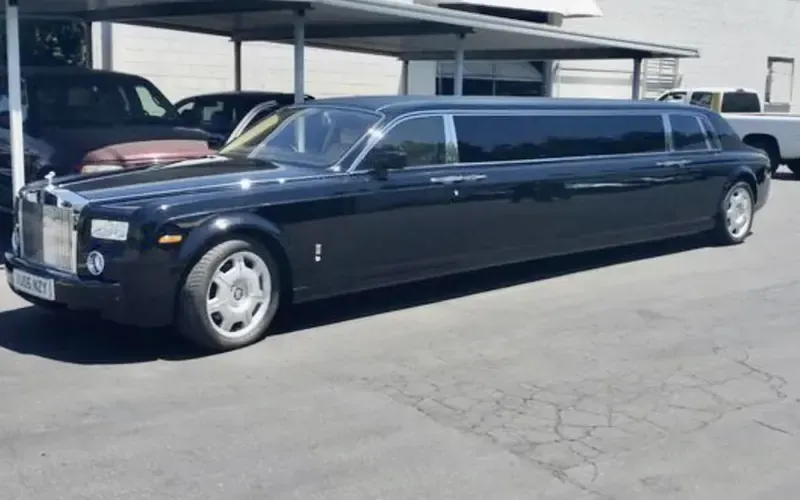
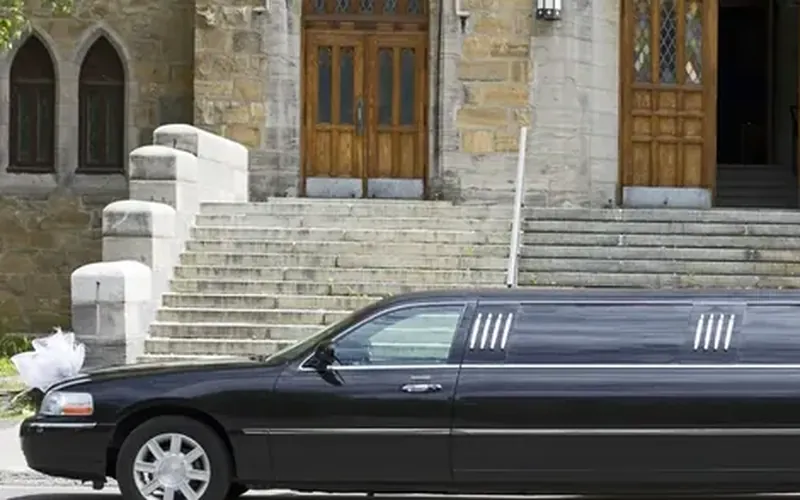
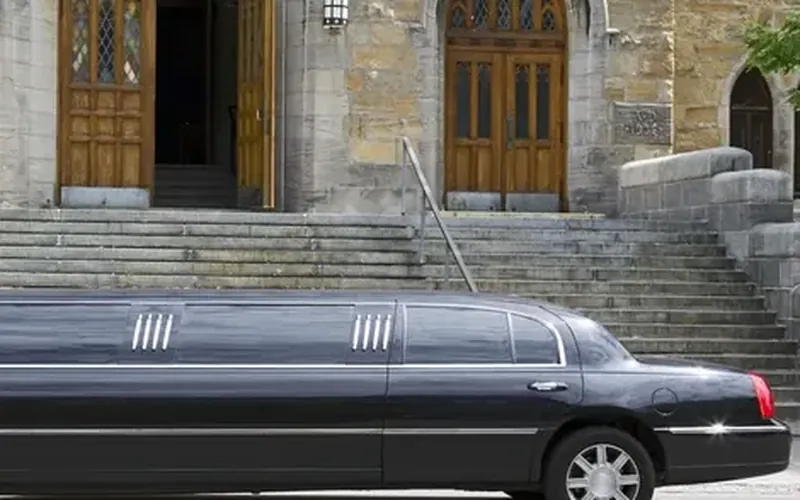
| Wedding party to the ceremony | Stretch Limousine | Classic choice for photos and the first look |
| Big bachelorette or friend group | Stretch SUV Limousine | Seats a large group in one vehicle |
| Guest hotel shuttle | Mini Bus Shuttle | Scheduled loops between hotels and venue |
| Airport group arrivals | Mercedes Sprinter | Efficient for same-flight groups |
| Late-night after-party | Party Bus | Keeps the group together after the reception |
Guest airport arrivals and meet and greet
Airport pickups are where most destination wedding stress starts. Guests land tired, in an unfamiliar terminal, and often with a rental car reservation they regret. A pre-booked airport car service removes that step entirely.
The most useful feature for wedding guests is flight tracking. The chauffeur monitors the flight and adjusts the pickup time if it is delayed, so a guest whose connection slips in Atlanta or Charlotte is not left standing at the curb. For older family members or anyone flying internationally, an airport meet and greet sends the chauffeur inside to the baggage claim with a name sign.
Tell guests where to meet the driver and give them the chauffeur's contact in advance. At large airports the pickup zones and rideshare areas differ, so a short written instruction in your welcome email prevents most confusion. Confirm current pickup locations on the airport's own website before you send anything out.
If your wedding is near a private airfield or your family is flying in privately, private jet and FBO service handles those arrivals separately from the commercial terminals.
Hotel shuttles and moving guests between towns
Many Florida weddings spread guests across two or three hotels. A private airport shuttle or mini bus running a scheduled loop is often the simplest solution: one pickup point per hotel, a fixed departure time, and a return run at the end of the night.
Set the loop around your actual event times, not the other way around. If the ceremony is at four, the last shuttle should arrive well before guests are seated. Build in a buffer for beach traffic, bridge openings near the coast, and summer afternoon storms.
For multi-day weddings, consider a dedicated shuttle on the busiest day only. Friday arrivals and the welcome dinner usually need the most movement; Saturday may only need the wedding day runs. For larger groups, group transportation can combine airport transfers, hotel loops and event shuttles under one plan.
If your guests are spread across a wide area, an hourly chauffeur service lets a vehicle stay with your group for a block of hours rather than making fixed trips. That works well for welcome parties, rehearsal dinners and any day with several stops.
The welcome dinner and rehearsal night
The welcome dinner is the first event where everyone is in one place, and it sets the tone for the weekend. It is also the night guests are most likely to drink and least likely to want to drive. Arrange group rides from the main hotels to the restaurant and back.
Restaurants in Miami's Design District, Naples' Fifth Avenue South, downtown Sarasota and St. Pete's Beach Drive often have limited nearby parking. A shuttle that drops guests at the door and returns at a set time solves that. Confirm the drop-off point with the restaurant in advance, since some have loading zones and others do not.
Keep the welcome dinner transportation simple. One or two vehicles on a fixed loop usually beats a complicated schedule. Send the pickup times to guests a day ahead, and put them on a card in the welcome bag. If the dinner is casual and walkable, you may not need vehicles at all, so be honest about whether the ride is solving a real problem.
Wedding day transportation for the couple and wedding party
The wedding day has its own rhythm. The wedding party usually needs to get ready together, travel to the ceremony, take photos at a second location, and arrive at the reception. Family members need their own transfers, and guests need a shuttle from the hotels.
Book the wedding limo service around that sequence rather than a single round trip. A stretch limousine or stretch SUV limousine works well when the party is moving as one group, especially for beach and garden venues where photos happen on the way.
Two details matter more than they seem. First, Florida heat: a vehicle that sits with the doors open during photos will lose its cool air, so ask the chauffeur to keep it running. Second, sand and grass. Beach ceremonies often mean a walk from a paved road to the sand, so plan the drop-off point with your venue contact and allow extra time.
Your planner or venue coordinator will have a run sheet. Give it to the transportation provider in advance so pickup times match the ceremony, the photos and the reception entrance.
Coastal venues, the Keys and other Florida logistics
Where you marry changes the transportation plan. A Miami or Fort Lauderdale wedding may involve downtown traffic, beach causeways and valet queues. A Naples or Sarasota wedding may be a short drive from the hotel or a longer run down a two-lane road to the beach. An Orlando wedding could mean resort property roads where the venue is a fifteen-minute drive from the front gate.
The Keys deserve their own note. Once you are south of Florida City, the Overseas Highway is the only road in and out, and a single accident or bridge issue can delay everything. If you are marrying in Key Largo or Islamorada, build generous buffers and keep airport pickups to Miami or Key West depending on which side of the wedding you are on.
St. Pete and the barrier islands bring bridge traffic, especially on weekend afternoons. Beach access roads can be narrow, and some venues use golf carts for the final stretch. Ask your venue how vehicles reach the ceremony site and where they wait.
For a broader look at how we handle events across the state, see our Florida coverage. Wherever you marry, confirm road closures, bridge schedules and venue access rules with the venue and local authorities closer to the date.
How to book and what to compare
Start booking early, especially for a Saturday in peak season. Wedding dates in Florida fill up fast in spring and fall, and the best vehicle options go first. Lock in the wedding day vehicles and guest shuttles as soon as your date and venue are confirmed, then add airport transfers as flights are booked.
Ask for a written quote that itemizes the vehicle, hours, gratuity, tolls and any fees. A flat, itemized quote per trip makes it easy to compare options and to see what changes when you add a stop or extend the hours. Avoid comparing only a headline number; the details are where quotes differ.
Confirm a few practical points before you sign. Ask how the provider handles flight delays, what happens if the ceremony runs long, and who your guests call on the day. For a wedding, you want a single contact who knows the whole weekend, not a different dispatcher for every ride.
Book early: wedding dates and peak-season weekends fill quickly.
Share the run sheet: give the provider your ceremony, photo and reception times.
List every stop: hotel, ceremony, photo location, reception, after-party.
Ask about delays: flight tracking and extra time if the schedule slips.
Name a contact: one person who fields questions on the day, ideally not you.
Send guest instructions: pickup points, times and a phone number in the welcome email.
Keeping guests informed
The best transportation plan fails if guests do not know about it. Put the details in the welcome email and in the welcome bag: where to meet the driver at the airport, the hotel shuttle times, and who to call if something changes.
A simple one-page schedule works better than a long document. List the pickup times for each hotel, the return times, and the contact number. Guests appreciate knowing whether they need a rental car at all, and many will skip it once they see the shuttle plan.
On the day, have someone other than the couple or the couple's parents manage questions. A planner, a family friend or the transportation provider's dispatcher can handle a late guest or a changed pickup without pulling you away from the celebration.
Budgeting without surprises
Transportation is usually one of the smaller line items in a destination wedding, but it can grow if it is planned late. The main drivers are the number of vehicles, the hours each one is booked, the date and time of day, and the distance between hotels, airports and venues.
Build your budget around three buckets: guest airport transfers, event shuttles, and wedding day vehicles. Decide which ones you are covering and which guests handle themselves, then tell them clearly. Many couples cover airport transfers and the wedding day shuttle but leave rental cars to guests who want to explore.
Ask for a written quote for each bucket so you can see the total before you commit. Prices are quoted per trip, with gratuity, tolls and fees listed separately, so there are no surprises on the final invoice. This is general planning information, not financial advice; confirm your own budget and any contract terms with the provider.
A simple planning sequence
You do not need to solve everything at once. Work through the weekend in order and the plan builds itself.
Start with the guest map, then book the wedding day vehicles, then add shuttles as the guest list firms up. Airport transfers come last, once flights are booked, but they are the piece guests notice most.
If you are planning a wedding in South Florida, Central Florida or the Gulf Coast, a provider that knows the local roads and venues will save you time. Request a written quote early and keep the plan in one place so your planner, venue and family are all working from the same schedule.
Build the guest map: names, airports, arrival days, hotels.
Choose the core vehicles: wedding party, family and guest shuttle.
Set the shuttle loop: hotel pickup points and event times.
Add airport transfers: group same-flight arrivals where you can.
Send guest instructions: pickup points, times and a contact number.
Confirm a week out: recheck times, addresses and venue access.
Frequently asked questions
Here are the questions couples and planners ask most often when arranging destination wedding transportation in Florida.
Frequently asked questions
How far in advance should I book wedding transportation in Florida?
Book the wedding day vehicles and guest shuttles as soon as your date and venue are confirmed, especially for a Saturday in peak season. Airport transfers can be added as flights are booked, but earlier is better so the provider can group arrivals. Confirm everything again a week before the wedding.
Should we provide airport transfers for guests?
It depends on your budget and how far guests are traveling. Many couples cover airport transfers for immediate family and the wedding party, and offer a group shuttle for everyone else. If guests are staying near the venue and renting cars, transfers may not be necessary.
How do guests find their driver at a Florida airport?
For standard pickups, the chauffeur meets guests at a designated curb or pickup zone, and guests receive the driver's contact in advance. For meet and greet service, the chauffeur waits inside near baggage claim with a name sign. Pickup locations vary by airport, so confirm current details on the airport's website.
Do we need a shuttle if all our guests are staying at one hotel?
Not always. If the hotel is close to the venue and guests can walk or take a short ride, you may only need wedding day vehicles for the couple and wedding party. A shuttle still helps if the venue is remote, parking is limited, or guests will be drinking.
How do Florida weather and traffic affect the schedule?
Summer afternoon storms can slow traffic, and beach and barrier island venues often involve bridges and narrow access roads. Build buffers into pickup times, keep vehicles running with air conditioning during photos, and confirm venue access and drop-off points in advance.
Can you handle large wedding groups and multiple hotels?
Yes. Mini buses and party buses work for large guest shuttles, while Sprinters and SUVs handle smaller groups and airport arrivals. A single provider can coordinate airport transfers, hotel loops and wedding day vehicles under one plan.
What should we ask for in a transportation quote?
Ask for a written, itemized quote that lists the vehicle, hours, gratuity, tolls and any fees. Confirm how flight delays and schedule overruns are handled, and who your guests call on the day. Comparing itemized quotes is easier than comparing a single total.