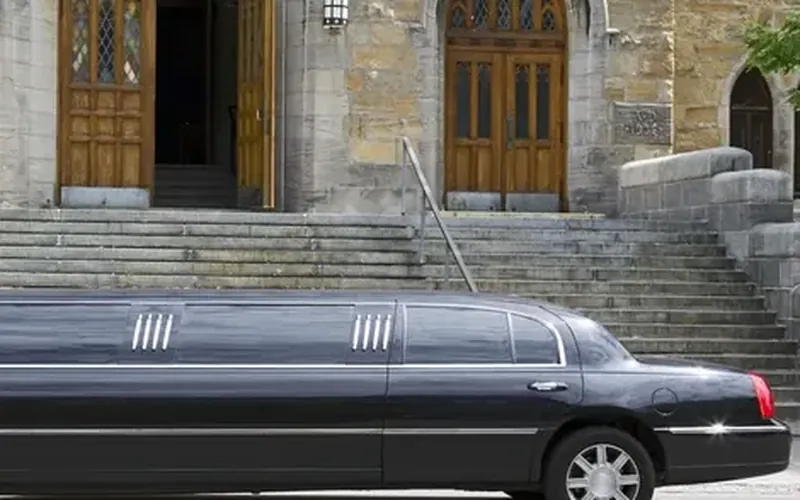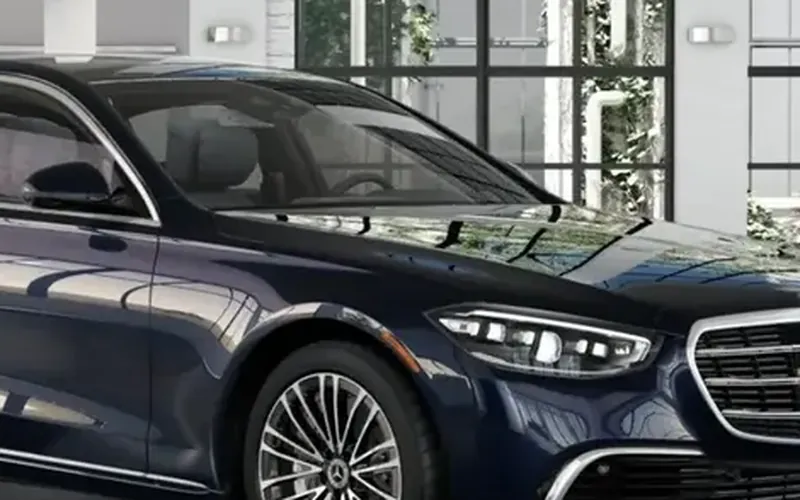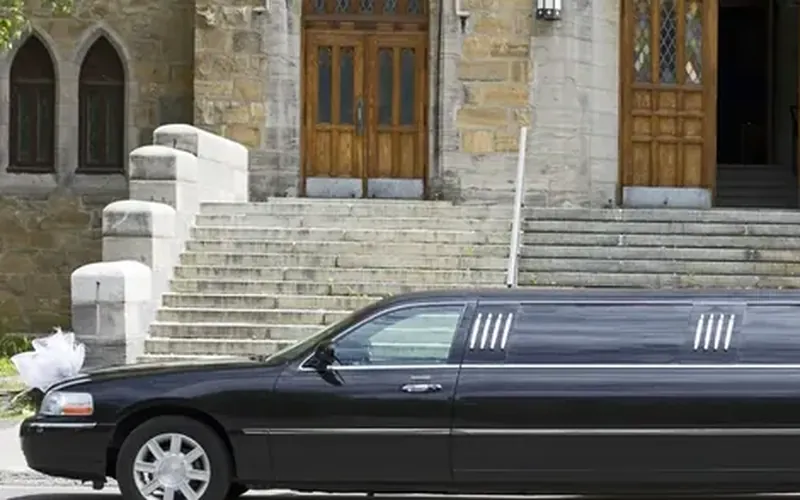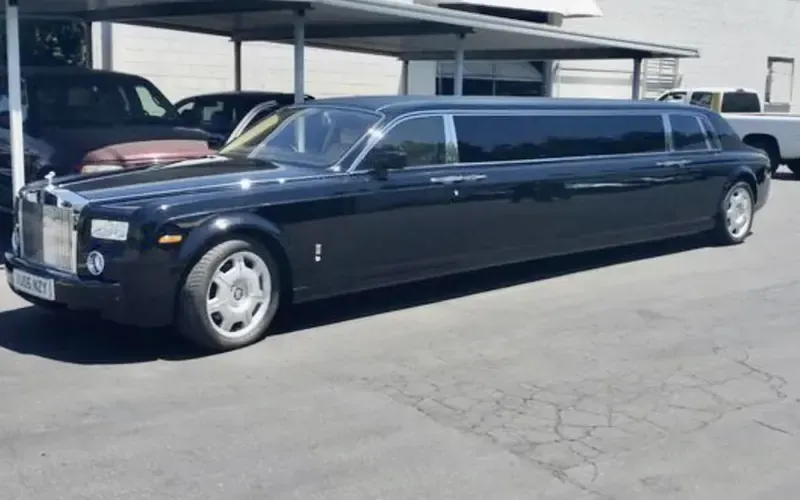
Most couples land on one or two vehicles, but the honest answer to how many limos for a wedding depends on who needs a ride, when they need it, and how far apart your locations sit. A wedding with a getting-ready suite, a ceremony, a reception and a hotel block in three different places needs a different plan than a ceremony and reception in one venue.
The reliable method is to count groups rather than people. The couple, the bridal party, the parents and the guests each move on their own schedule, and each group usually needs its own seat count. From there you match groups to vehicles in the fleet and decide whether one large vehicle or several smaller ones makes more sense.
Start with groups, not guest count
The mistake couples make is dividing the total guest list by seats in a limo. That number tells you nothing useful, because most guests drive themselves to the ceremony and only a small group rides in the wedding vehicles. Instead, list the people who genuinely need transportation and sort them into groups that travel together.
A typical wedding has five moving parts: the couple, the bridal party, the parents and immediate family, out-of-town guests staying at a hotel, and any vendors or family members who need a ride between venues. Each group has its own pickup time and its own destination, so each one is a separate line in your plan.
Couple: the two of you, often with a photographer or planner riding along for a first look or portrait stop.
Bridal party: bridesmaids and groomsmen, usually traveling together from getting-ready locations to the ceremony.
Parents and immediate family: often forgotten, but they usually want to arrive together and on time.
Out-of-town guests: the hotel block that needs a ride to the ceremony and back.
Extended family and elderly guests: smaller groups that may need door-to-door service rather than a shuttle stop.
Match each group to a vehicle in the fleet
Once you know the groups, the seat counts do most of the work. Limoisa quotes a specific vehicle on every booking, and the typical capacities below are the starting point for the conversation. Confirm the exact vehicle and seat count on your written quote, since configurations vary.
For most weddings, the couple rides in a luxury sedan or a stretch limousine, the bridal party shares a larger vehicle, and guests move by shuttle. If your groups are small, an executive SUV can cover parents and grandparents in one trip.
When one large vehicle wins
If your ceremony and reception are at the same venue and the bridal party is under about 18 people, a single stretch SUV limousine keeps everyone together, simplifies the timeline and avoids a convoy trying to park at the same moment.
When several vehicles make more sense
Split the plan when groups start in different places. Bridesmaids at one hotel, groomsmen at another and parents at a third rarely fit in one vehicle without a long pickup loop. Two or three smaller cars can be faster and cheaper than one big one doing a tour of the city.
| Group | Usual size | Vehicle to consider |
|---|---|---|
| Couple (plus photographer) | 2–4 | Luxury Sedan or Stretch Limousine |
| Bridal party | 6–16 | Stretch Limousine or Stretch SUV Limousine |
| Parents and immediate family | 4–10 | Executive SUV or Mercedes Sprinter |
| Out-of-town guests | 15–40 | Mini Bus Shuttle or Party Bus |
| Full wedding party, one vehicle | 10–18 | Stretch SUV Limousine |
One big vehicle or several smaller ones
There is no universal right answer, but there are clear trade-offs. One large vehicle means one pickup time, one parking spot at the venue and no risk of half the party arriving late. It also means everyone waits for the last person to climb aboard.
Several smaller vehicles give each group flexibility and shorten the pickup loop, but they multiply the coordination. You will have more drivers, more arrival times to track and more chances for a group to be ready late. If you go this route, put one person in charge of confirming each car is loaded.
Choose one large vehicle if: everyone starts at the same hotel, the venue is a single location, and the group is under about 18.
Choose several vehicles if: groups start in different places, some people need to leave early, or the ceremony and reception are far apart.
Mix both if: the bridal party rides together and parents take a separate sedan so they can arrive early.
Build the trip count before you book hours
Wedding vehicles are usually booked by the hour with a minimum, so the number of trips matters as much as the number of seats. Map every leg of the day on paper: getting-ready location to ceremony, ceremony to photo location, photo location to reception, and reception to hotel.
A common plan is three to four hours for the couple and bridal party, covering the ceremony, portraits and arrival at the reception. If you add a getting-ready pickup and a send-off at the end of the night, that window grows. Guest shuttles are usually booked in loops, running back and forth between the hotel and the venue on a schedule.
Write down the times you actually control: ceremony start, cocktail hour, dinner and the last dance. Then work backward. A planner or venue coordinator can tell you how long portraits and photos usually take at your location, which is the number most couples underestimate.
Leave a buffer for the unexpected
Traffic, late hair and makeup, and a missing boutonniere all eat into the schedule. Build a cushion into the pickup times rather than the arrival times, and tell your chauffeur the real ceremony start, not the one printed on the invitation.
Plan the send-off early
The end of the night is where wedding transportation plans usually fall apart. Decide who rides where after the reception and book that leg at the same time as the morning pickup, so you are not arranging a ride at midnight.
Plan the guest shuttle separately
Guest transportation is a different job from bridal party transportation. A private airport shuttle style loop with a mini bus or party bus moves hotel guests to the ceremony and back, and it usually runs on a fixed schedule rather than waiting for individuals.
Shuttles work best when you have a hotel block with a clear pickup point and a venue with room for a large vehicle to pull in and out. Ask the hotel where a bus can stage and ask the venue where it can drop guests, because not every property has space for a 30-passenger vehicle at the front door.
Set a departure schedule: publish times for the last shuttle to the ceremony so guests know there is no later ride.
Run a return loop: shuttles back to the hotel every half hour after dinner keep people from leaving all at once.
Name a contact: one guest or planner who can call the driver if the schedule slips.
Confirm the staging area: hotels and venues often have a specific spot for larger vehicles.
Getting-ready logistics and the first look
Many couples now book a vehicle for the getting-ready phase, not just the ceremony. If the bridal party is preparing at a hotel and the ceremony is across town, a chauffeur service by the hour covers the ride over and the wait while photos happen.
A first look or portrait session adds a stop to the itinerary. Tell your provider about it when you book, because the driver needs to know the location, how long you will be there and whether the vehicle should wait or come back. Parks, gardens and waterfront spots often have limited parking for long limousines, so a smaller vehicle can be easier at those stops.
Keep the bridal party together
Splitting the bridal party across cars sounds efficient until one car is stuck in traffic. If the ceremony cannot start without the full party, keep them in one vehicle or plan the arrival times so the largest group lands first.
Give the driver the full picture
Hand over a written timeline with addresses, contact numbers and the order of stops. Your chauffeur is tracking the schedule, but they cannot fix a change they were never told about.
A simple worksheet for your final count
Before you request quotes, fill in a short worksheet. It takes about ten minutes and makes every conversation with a provider faster and more accurate. The goal is to arrive at a vehicle count you can defend, not a guess.
Work through each line and note the group size and the trips involved. If two groups share the same route and time, they can often share a vehicle. If they do not, they need separate seats.
Add a buffer group
Leave a couple of spare seats in the largest vehicle. A plus-one confirmed late or a photographer who needs to ride along is easier to absorb than a second booking.
Confirm the vehicle on the quote
Seat counts vary by configuration, so check the exact vehicle listed on your written quote rather than the class name alone.
| Question | Why it matters |
|---|---|
| How many people ride in each group? | Sets the seat count and vehicle size. |
| How many separate pickups are there? | Determines whether one vehicle can cover all stops. |
| How many trips per vehicle? | Drives the hourly booking window. |
| Do guests need a shuttle? | Adds a separate vehicle and schedule. |
| When does the night end? | Covers the send-off leg. |
How many limos for a wedding: what to confirm before you book
Once you have a vehicle count, ask each provider the same questions so you can compare fairly. A written, itemized quote should list the vehicle, the hours, the pickup and drop-off addresses, and gratuity, tolls and fees separately. That structure makes it obvious what changes if you add an hour or a stop.
Ask how the provider handles a late ceremony, a change of venue or a guest shuttle that needs an extra loop. Ask who your driver will be and how to reach them on the day. For the bridal party and guests, a group transportation plan with clear pickup points avoids confusion.
If you are marrying in one of our markets, from Miami and Orlando to Los Angeles, Charlotte or Scottsdale, request a written quote with your group sizes and timeline. You will get a flat, itemized quote before you book, with the vehicle confirmed in writing.
Vehicle and seat count: confirmed on the quote, not assumed from the class.
Hours and minimums: how the booking window is calculated and what happens if the day runs long.
Stops and wait time: whether portrait stops and waiting are included.
Gratuity, tolls and fees: listed separately so you can compare quotes.
Guest shuttle schedule: pickup points, loops and the last departure.
Book early for peak dates
Spring and fall weekends fill up first, and Saturday evenings in wedding season are the hardest to cover. Locking in your vehicles once you have the count protects the plan.
Frequently asked questions
How many limos do I need for a wedding with 100 guests?
Usually one or two vehicles for the couple and bridal party, plus a guest shuttle if you have a hotel block. Most of the 100 guests drive themselves, so the guest count alone does not determine the vehicle count. Count the groups that actually need a ride.
Can the whole bridal party fit in one limo?
Often yes. A stretch limousine typically seats 8 to 10 and a stretch SUV limousine seats 14 to 18. Confirm the exact vehicle and seat count on your quote, since configurations vary.
Should we book a shuttle for guests?
Book a shuttle if you have a hotel block and a venue without easy parking, or if guests will be drinking. A mini bus or party bus running a fixed loop is usually simpler than arranging individual rides.
How many hours should we book wedding transportation for?
Most couples book a window that covers the ceremony, portraits and arrival at the reception, plus extra time if there is a getting-ready pickup or a send-off. Map your trips first, then add a buffer.
Do parents and grandparents need their own car?
Not always, but they often appreciate one. A sedan or executive SUV for parents and older family members lets them arrive early and leave when they need to, without disrupting the bridal party schedule.
What happens if the ceremony runs late?
Tell your provider about the real timeline and build a buffer into pickup times. Ask when you book how additional time is handled so there are no surprises.
When should we book wedding vehicles?
As soon as your date, venues and guest list are set. Peak Saturdays in wedding season book up first, and having the vehicle count ready makes the booking quick.