A wedding guest shuttle solves one specific problem: your ceremony and reception are not where your guests are sleeping. Rather than asking out-of-town family to navigate an unfamiliar city, find parking and stay sober enough to drive, you put them on a bus and move them in groups. The details you decide in advance, like whether the shuttle loops or runs on a fixed schedule, shape how smooth the day feels.
This guide covers the decisions that matter most: choosing between a loop and set departures, picking a mini bus or a Sprinter, handling parking at the venue, and planning the late ride back so nobody is stranded at midnight. We run chauffeured vehicles for weddings across the cities we serve, so the advice here reflects what actually works on the ground.
What a wedding guest shuttle actually does
A guest shuttle is transportation between the places your guests already are and the places your wedding happens. Typically that means hotel to ceremony, ceremony to reception if they are separate, and reception back to the hotel at the end of the night. It is not the same as the couple's own car or the wedding party's ride, though a single operator can often handle all of it.
The value is in removing decisions. Guests who flew in may not have a rental car. Those who drove may be staying somewhere with limited parking. And once the bar opens, nobody should be calculating whether they are fine to drive. A shuttle turns a scattered arrival into a predictable one.
Hotel to ceremony: picks up guests at a set time so everyone arrives before the processional.
Ceremony to reception: covers the gap when your two locations are a short drive apart.
Reception to hotel: the late ride back, usually the most requested run of the night.
Secondary hotels: a second pickup point for guests staying somewhere else.
Accessible transport: a plan for guests who cannot use a standard step-in vehicle.
Loop service versus set departures
These are the two main ways to run a wedding guest shuttle, and the right choice depends on your venue, your timeline and how many people you are moving.
A loop keeps one or more vehicles circulating between the hotel and the venue on a repeating cycle. Guests board whenever they are ready and get off at the other end. It feels flexible and forgiving, which is why it works well for receptions with a long, relaxed arrival window. The trade-off is unpredictability: a guest who just misses a loop may wait a while, and the schedule drifts if loading takes longer than expected.
Set departures run at published times, for example a hotel pickup before the ceremony and two return runs at the end of the night. Guests know exactly when to be in the lobby, and you can staff the loading with a coordinator or a chauffeur who holds a sign. It is easier to explain, easier to budget and easier to keep on time. The risk is that someone misses the bus, so you need a backup plan for latecomers.
Many couples land on a hybrid: set departures for the ceremony, when timing is tight, and a loop for the reception return, when guests leave at different hours. Whichever you choose, write it down and distribute it more than once.
| Format | Best for | Watch out for |
|---|---|---|
| Loop | Long arrival windows, guests leaving at different times | Waiting between runs; schedule drift |
| Set departures | Tight ceremony timing, formal weddings | Guests who miss the stated time |
| Hybrid | Ceremony arrivals plus flexible reception returns | Needs clear communication of both parts |
| Single late run | Small weddings with one hotel | Everyone leaves at once; book enough seats |
Mini bus or Sprinter: matching the vehicle to the group
Vehicle choice comes down to headcount, luggage and how tight the venue's access is. Our fleet covers both ends of the range, and the exact vehicle is confirmed on your quote.
A mini bus is the workhorse for guest shuttles. With seating for roughly 20 to 30 passengers, it moves a large block of hotel guests in one trip and keeps the number of runs down. It is the natural pick when most of your list is staying at the same hotel and the venue has room for a full-size vehicle to pull up.
A Mercedes Sprinter seats around 10 to 14 and suits smaller weddings, a second hotel with only a handful of guests, or venues on narrow streets and long driveways where a larger bus would struggle. Sprinters are also comfortable for longer transfers between a hotel and a rural venue.
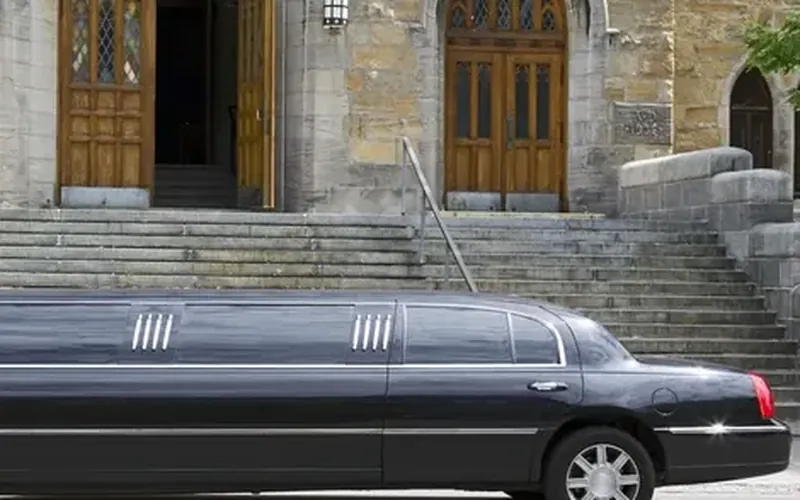
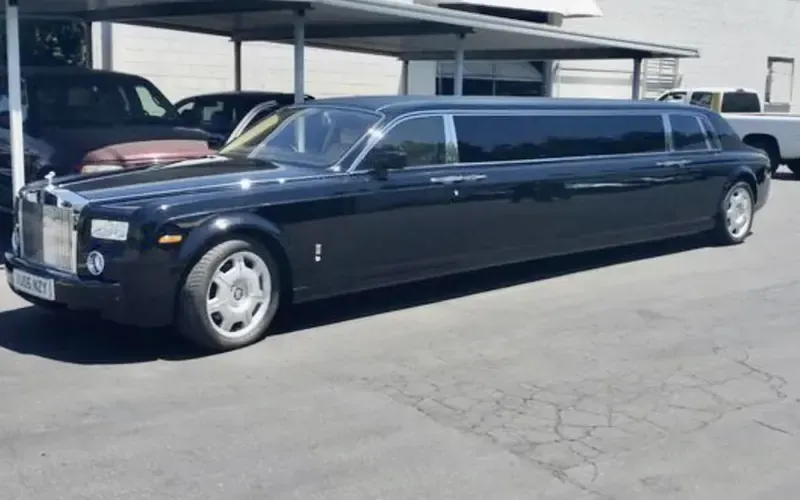
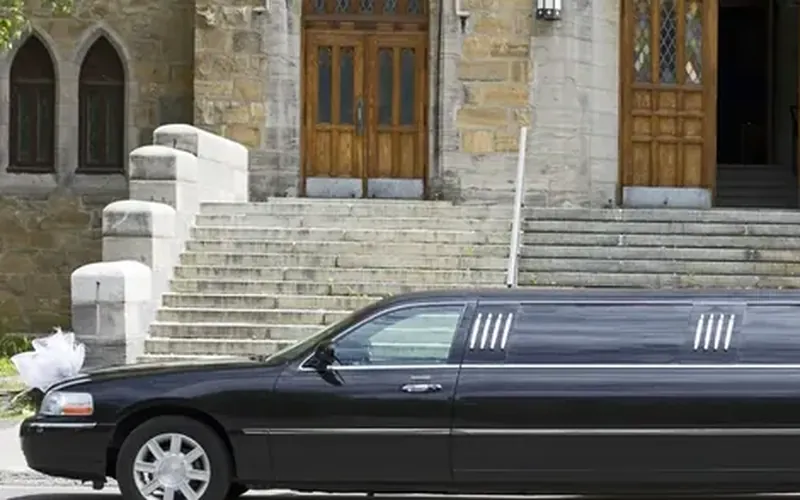
If your group is smaller still, an executive SUV handles up to six passengers with luggage, and a stretch limousine or stretch SUV works when the ride itself is part of the celebration. For a full comparison of what each vehicle is best at, see our group transportation options and the mini bus page.
When to book more than one vehicle
If your guest list spans two or three hotels, one bus cannot be in three places at once. Either consolidate pickup to a single host hotel, or book separate vehicles for each location. Consolidating is usually simpler and cheaper, and guests generally do not mind a short ride to a central pickup point.
Think about the last run, not the first
It is easy to plan the arrival and forget the exit. The final run of the night is when guests are tired, the venue is closing and a missed bus means a long wait. Book capacity for the crowd you expect at that hour, not the crowd you had at 4 p.m.
Parking and drop-off at the venue
Parking is where wedding shuttles most often run into trouble, and it is almost always a venue rule rather than a vehicle problem. Many properties have a designated spot for buses and large vehicles, sometimes well away from the main entrance. Others restrict vehicle size on the access road entirely.
Ask the venue coordinator these questions before you finalize anything: where does a bus load and unload, how long can it stand there, is there a separate area for larger vehicles to wait, and does the venue require advance notice of shuttle arrivals. Get the answers in writing and pass them to your transportation provider.
Guests driving themselves need their own guidance. Confirm whether the venue has on-site parking, whether it is complimentary or paid, and whether the lot fills early. If parking is limited, say so clearly on your wedding website and point people toward the shuttle instead. Exact parking rules and any charges change, so confirm current details with the venue directly.
Ask about the bus spot: where large vehicles load, and whether they can wait on site.
Check the access road: some venues have narrow gates, low branches or weight limits.
Confirm overnight parking: guests who drive and drink may need to leave a car behind.
Note the walk: if the drop-off is far from the ceremony, plan for weather and footwear.
Tell your provider: share the venue's rules and a contact name before the wedding day.
Building a shuttle schedule guests will follow
A shuttle only works if guests know when to be where. The schedule should be short enough to read in a few seconds and repeated in several places: your wedding website, a card in the welcome bag, a text message the day before, and a sign in the hotel lobby.
Work backward from the ceremony start. Guests need to arrive with enough time to park themselves, find a seat and settle before the processional. Add buffer for loading, traffic and the walk from the drop-off. Then set the hotel pickup time and publish it as a hard departure, not a suggestion.
For the return, publish at least two options if the reception runs late: an early run for guests who leave after dinner and a final run at the end. Name the pickup location precisely, such as the main lobby doors rather than the hotel entrance. If you are using a chauffeur service by the hour, the same vehicle can often cover multiple runs within its booked window.
Who rides and who drives
Decide in advance whether the wedding party rides the guest shuttle or travels separately. Mixing the two can throw off timing, since the wedding party usually needs to arrive early for photos. Many couples book a separate vehicle for the party and keep the shuttle purely for guests.
Assign a point person
Ask a confident friend or a planner to act as shuttle captain at the hotel. They check names, keep the lobby organized and let the driver know when everyone is aboard. It is a small job that prevents most delays.
The late ride back
The late ride back deserves its own plan because it is the part of the night with the least margin for error. Guests have been drinking, the venue staff want to close, and anyone who misses the last bus is looking at an awkward and possibly expensive problem.
Set the final departure time with the venue's closing schedule in mind, then announce it more than once: at the start of dancing, an hour before, and again shortly before the bus leaves. Have the DJ or band make the announcement. A cheerful warning works better than a quiet one nobody hears.
Book enough capacity for the final run. Some guests arrive by shuttle but plan to leave earlier; others drive in and decide at 10 p.m. that they should not. Having spare seats on the last bus is far better than turning people away. If your budget allows, keep the vehicle on an hourly basis so the driver can make an extra run if the crowd is bigger than expected.
Finally, decide what happens to anyone who misses it. A written note with a local taxi number, or a plan for the shuttle captain to help, saves a lot of stress. For couples who want the full day mapped out, our wedding limo service team can build the schedule with you.
Keeping guests informed without overloading them
Guests do not read long transportation documents. They read a card, a text and a sign. Keep the message to the essentials: where to meet, what time the vehicle leaves, how long the ride takes and when the last bus returns.
Put the same information in three places. A printed card in the welcome bag catches guests the night before. A text message the morning of the wedding catches everyone else. A sign in the hotel lobby catches the people who forgot both. If your wedding website has a transportation page, link to a map pin for the pickup spot.
For guests with mobility needs, reach out personally rather than relying on a general note. Confirm whether they can step into a standard shuttle, whether a wheelchair-accessible vehicle is needed and whether they would prefer to drive and use valet or drop-off. A short conversation prevents a difficult moment on the day.
If your wedding spans a weekend with a welcome party, ceremony and brunch, consider whether one provider can cover several events. Coordinating it in one place usually means fewer moving parts. Browse our wedding transportation options or look at event transportation for multi-day plans.
Budgeting and booking the shuttle
Shuttle pricing is quoted per trip, and several factors drive the number. The vehicle type matters most: a mini bus and a Sprinter carry different capacities and cost structures. Hours matter too, especially if you keep a vehicle on standby for the late ride. Distance between the hotel and the venue, the day of the week and the season all play a role, and Saturday evenings in peak wedding months are in the highest demand.
Ask for a flat, itemized quote before you commit. A clear quote lists gratuity, tolls and any fees separately so you can compare proposals fairly. Be wary of a low headline number that grows with add-ons. Ask what happens if the schedule runs long, whether there is a minimum booking window and how far in advance the vehicle is held.
Reserve early. Wedding dates cluster, and the largest vehicles go first. Once you have your guest count estimate and venue address, you have enough to request quotes. You can request a written quote with your dates, pickup locations and approximate headcount, and confirm details from there.
One last item: check whether your venue requires proof of insurance from transportation providers. Many do, and your provider should be able to supply it without drama.
Common mistakes to avoid
Most shuttle problems trace back to a handful of avoidable decisions. The first is booking too late, when the ideal vehicle is gone and the remaining options force a compromise on capacity or timing. The second is assuming guests will figure out the schedule on their own.
Another frequent issue is forgetting the return trip. Couples plan the arrival in detail and leave the exit vague, which is exactly when guests need clarity most. Similarly, failing to confirm venue drop-off rules can leave a driver circling while guests wait inside.
Finally, do not treat the shuttle as an afterthought to the seating chart. Give one person clear responsibility for it, whether that is your planner, a family member or the transportation company's coordinator. A single owner means someone is watching the clock when you are busy getting married.
Booking late: reserve vehicles as soon as your date and venue are set.
No published schedule: guests need the times in writing, more than once.
Ignoring the return: always plan the late ride back explicitly.
Skipping venue rules: confirm where large vehicles can stop and wait.
No point person: assign someone to manage loading and timing on the day.
Frequently asked questions
Frequently asked questions
How many guests fit on a wedding shuttle?
It depends on the vehicle. A mini bus typically seats around 20 to 30 passengers, while a Mercedes Sprinter seats about 10 to 14. Smaller groups can use an executive SUV for up to six or a stretch limousine for eight to ten. The exact vehicle and capacity are confirmed on your quote.
Should I choose a loop or set departure times?
Set departures suit tight ceremony timing and are easier for guests to follow. A loop works well when guests arrive and leave at different times, such as a long reception. Many couples combine the two, using set times for the ceremony and a loop for the return.
Do I need a shuttle if the hotel is close to the venue?
Often yes. Even a short drive can be hard to walk at night, and guests who have been drinking should not drive. A shuttle also keeps arrivals grouped so the ceremony can start on time.
How far in advance should I book wedding guest transportation?
Book as early as you can once your date and venue are confirmed, especially for Saturday weddings in busy seasons. Larger vehicles are limited in number and go first. Having a rough guest count and hotel list is enough to request quotes.
What happens if guests miss the last shuttle?
Plan for it before the wedding. Publish the final departure time clearly, have the DJ announce it, and leave a written backup such as a local taxi number with your shuttle captain. Keeping the vehicle on an hourly basis can also allow an extra run.
Can the shuttle handle guests with mobility needs?
Talk to your provider about accessibility before the wedding. Some guests need a vehicle with a lower step or a wheelchair-accessible option, and that has to be arranged in advance rather than on the day.
Who manages the shuttle on the wedding day?
Assign one person, such as a planner, a family member or a friend acting as shuttle captain. They keep the lobby organized, confirm everyone is aboard and stay in contact with the driver so the schedule holds.