The miami to key west drive is one of the great road trips in the United States, and it is simpler than most people expect: one road, the Overseas Highway, running from the mainland down a chain of islands to the southernmost point in the continental country. The distance is roughly 160 miles, and on a good day you can cover it in about three and a half to four hours. On a bad day, with traffic leaving Miami or a backup on a two-lane stretch of the Keys, it can take noticeably longer.
This guide covers what the route actually feels like, where the drive slows down, the stops worth building into your day, and how a chauffeured one-way or round-trip ride changes the trip. If you are weighing whether to drive yourself, take a bus, or book a car, the details below will help you plan a day that does not end with everyone exhausted.
How long the Miami to Key West drive takes
The straight-line answer is about 160 miles and roughly three and a half to four hours without stops. That number assumes you get out of Miami cleanly and hit the Keys outside peak traffic. In practice, most people should plan for four to five hours of driving time once you account for a breakfast stop, a photo stop and the slower speed limits through the small islands.
Traffic behaves differently depending on direction and day. Leaving Miami on a weekday morning means dealing with commuter volume on the way south before the road opens up past Florida City. Weekend mornings in the other direction can be heavy with returning traffic. The Keys themselves are mostly two-lane highway, so a single incident, a drawbridge opening or a busy stretch near Key Largo can add time with no warning.
If you are doing the drive as a day trip, the math gets tight. A four-hour drive each way plus stops leaves you only a few hours in Key West before you need to turn around. Many travelers find that an overnight stay, or a one-way ride down and a flight back, makes for a much better day.
| Segment | Approximate distance | Approximate drive time |
|---|---|---|
| Miami to Key Largo | 60 miles | 1 to 1.5 hours |
| Key Largo to Islamorada | 25 miles | 30 to 40 minutes |
| Islamorada to Marathon | 40 miles | 50 to 60 minutes |
| Marathon to Key West | 50 miles | 1 to 1.25 hours |
What the Overseas Highway is like to drive
The Overseas Highway is US-1, and for most of its length it is a two-lane road hopping from key to key over dozens of bridges. The scenery is the point: turquoise water on both sides, long stretches of open bridge, and small communities that appear and disappear in minutes. It is also a road where patience pays. Passing lanes are limited, and a slow RV ahead of you can set the pace for miles.
Cell service is generally fine along the route, but it fades in spots. Download an offline map before you leave, especially if you plan to detour onto side roads. Fuel up before you get deep into the Keys; stations exist but are spaced out, and prices tend to climb the farther south you go.
The most famous stretch is the Seven Mile Bridge near Marathon, which crosses open water with no land in sight for long stretches. It is worth slowing down for, and there are pull-offs on the Marathon side where you can stop for photos. Wind can be strong on the bridges, so keep both hands on the wheel if you are driving a high-profile vehicle.
Leave early: Aim to be past Florida City before the morning rush builds.
Fuel up early: Top off before Key Largo so you are not hunting for a station later.
Watch the speed limits: They drop sharply through each small community.
Expect bridge openings: Drawbridges near the upper Keys can hold you for a few minutes.
Keep cash and water handy: Useful at small roadside stops and pull-offs.
Stops worth building into the drive
The upper and middle Keys are where the drive breaks up naturally. Key Largo is the first real stop, about an hour from Miami, and it is the dive and snorkel hub of the chain. John Pennekamp Coral Reef State Park is the best-known entry point for reef trips, and the town itself has plenty of places to eat right off the highway.
Islamorada comes next and is a good lunch stop. It is known for sportfishing, and the roadside seafood spots and marinas make it an easy place to stretch your legs. Robbie's of Islamorada, where you can feed the tarpon off the dock, is a long-standing stop that works well with kids.
Farther down, Marathon sits near the foot of the Seven Mile Bridge and has the Turtle Hospital, a well-known rehabilitation facility that offers tours. Bahia Honda State Park, just past the bridge, has some of the best beaches in the Keys and a viewpoint over the old railroad bridge. Key West itself rewards arriving with time to spare: Duval Street, the Ernest Hemingway Home and Museum, and the nightly sunset gathering at Mallory Square are the classic stops.
Check current hours and tour availability before you go, since small operators change schedules seasonally. If you want the driving handled so you can actually enjoy the stops, an hourly chauffeur service lets you build the day around your own pace.
Key Largo, Islamorada and the Seven Mile Bridge in brief
Each of these stops serves a different purpose in the trip, and knowing which one matters to you keeps the day from turning into a blur of parking lots.
Key Largo
The closest taste of the Keys and the best place for a reef trip or a quick breakfast. If you only have time for one stop on the way down, this is the practical choice.
Islamorada
A natural lunch break with marinas, seafood shacks and the tarpon feeding at Robbie's. It splits the upper Keys nicely and gets you back on the road before the afternoon heat.
Seven Mile Bridge
The scenic highlight of the whole drive. Stop on the Marathon side for photos, then continue to Bahia Honda if you want a beach break before the final run to Key West.
One-way vs round trip with a chauffeur
The biggest planning decision is whether you drive both directions or only one. A round trip makes sense for a long day trip or a same-day return, but it means roughly seven to eight hours in the car. A one-way ride down, paired with a flight back from Key West International Airport or an overnight stay, gives you far more time on the island.
A chauffeured one-way is also a good fit for arrivals. If you fly into Miami International and want to start the Keys immediately, a car can meet you at the curb and take you straight down US-1. The same works in reverse: a driver picks you up in Key West and delivers you to MIA or Fort Lauderdale for your flight home.
Round trips suit groups who want a fixed schedule and a single vehicle for the day. With a chauffeur, nobody has to stay sober, navigate, or find parking in Key West on a busy weekend. For larger parties, a Mercedes Sprinter keeps everyone together with room for luggage and cooler bags.
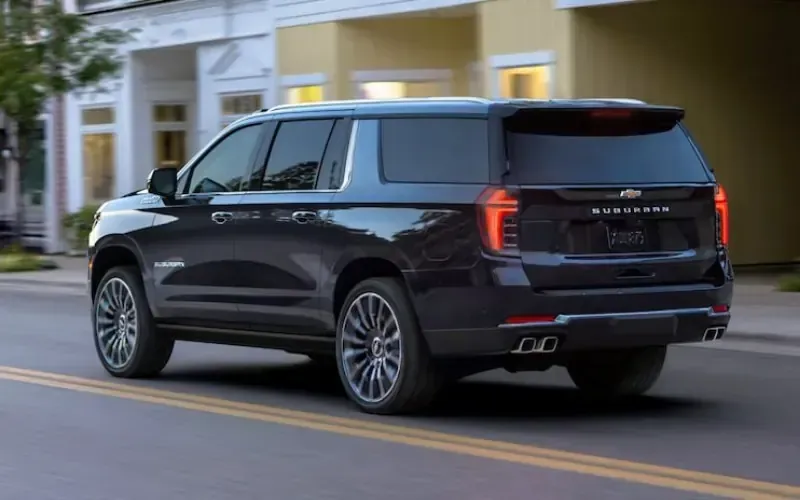
For families or small groups with bags, an Executive SUV is a comfortable middle ground between a sedan and a van. Whatever you choose, the vehicle is confirmed on your quote before you book.
Driving yourself vs booking a car
Driving yourself gives you total flexibility and costs less up front, but it comes with real trade-offs on this route. You are the one watching the road for four hours while everyone else enjoys the view. Parking in Key West, especially near Duval Street and Mallory Square, can be scarce and expensive on weekends. And if your day runs long, you are driving back tired on a two-lane highway after dark.
A chauffeured car flips that. You get picked up at your door, the driver handles the bridges and the parking, and you can actually look at the water. It also solves the round-trip problem: you can nap, work or plan the next day on the way home instead of white-knuckling the Seven Mile Bridge at night.
The trade-off is cost and scheduling. A chauffeured run is quoted per trip based on vehicle, hours and distance, so it rewards planning ahead. If you are comparing options, request a written quote with gratuity, tolls and fees listed separately so you can see the full picture. A long-distance car service is built for exactly this kind of point-to-point run.
Timing your day and avoiding the worst traffic
The single best thing you can do is leave early. Aim to be through Florida City before the morning rush peaks, which usually means an early start from Miami or Miami Beach. That gets you into the upper Keys before the day-trippers and gives you a real shot at a relaxed lunch in Islamorada.
Coming back is the harder half. Sunday afternoons and holiday weekends bring heavy northbound traffic as everyone leaves the Keys at once. If you can, plan your return for a weekday or leave Key West in the late morning rather than late afternoon. If you are flying home from MIA, build in a buffer; the drive back can run longer than the drive down.
Season matters too. Winter and spring are peak visitor months in the Keys, and the road reflects it. Summer brings afternoon storms that slow things down, and hurricane season can affect closures, so check official sources before you travel. For a smoother arrival at the airport end of the trip, see our Miami airport car service guide.
What to pack and plan for
The Keys are casual, but the sun and water are not. Pack sunscreen, a hat and layers for the wind on the bridges. Bring water and snacks for the drive, especially if you are traveling with kids. A light rain jacket is worth having in summer.
If you plan to snorkel or dive, book ahead and confirm what gear is provided. Reef trips fill up in peak season. For the drive itself, keep a phone charger, a downloaded map and a backup plan for lunch in case your first choice is packed.
Travelers with limited mobility should mention it when booking so the right vehicle and pickup point are arranged. And if you are combining the drive with a cruise or a flight, leave more time than you think you need; the Overseas Highway does not reward tight schedules. This is general planning information, so confirm current road, park and venue details with the official sources before you go.
Frequently asked questions
How long does the Miami to Key West drive take?
Plan on about three and a half to four hours without stops, and four to five hours with a breakfast or lunch break. Traffic leaving Miami and slow stretches in the upper Keys can add time. Weekend and holiday traffic is the biggest variable.
Is the drive from Miami to Key West worth it?
Yes, for most travelers. The Overseas Highway is the attraction itself, with water on both sides and the Seven Mile Bridge as the highlight. If you only have one day, consider a one-way ride down and a flight back so you are not rushed.
Can you do Key West as a day trip from Miami?
It is possible but long. A round trip means seven to eight hours in the car, leaving only a few hours on the island. An overnight stay or a one-way chauffeur with a return flight makes for a much better day.
What are the best stops between Miami and Key West?
Key Largo for reef trips, Islamorada for lunch and the tarpon feeding at Robbie's, Marathon for the Turtle Hospital, and Bahia Honda State Park for beaches. The Seven Mile Bridge is the scenic highlight of the route.
Do you need a toll pass to drive to Key West?
The Overseas Highway itself is a free road, but some routes out of Miami use tolled expressways. If you are driving your own car, check your rental agreement or set up a toll account. A chauffeured quote lists tolls separately.
Can I book a chauffeur one way from Miami to Key West?
Yes. One-way and round-trip rides are both available, and pricing is quoted per trip based on vehicle, hours and distance. You can pair a one-way ride with a flight home from Key West or an overnight stay.
When is the best time to leave Miami for Key West?
Early morning is best. Getting past Florida City before the rush gives you a calmer drive and more time in the Keys. Avoid Sunday afternoons for the return, when northbound traffic is heaviest.