A napa wine tour from san francisco is one of the most popular day trips in Northern California, and it is easy to see why. Napa Valley sits roughly 50 to 65 miles north of the city, usually about an hour to an hour and a half by car depending on the bridge you take and traffic. In a single day you can cross the Golden Gate, drive through wine country, taste at two or three wineries and be back in the city for dinner.
The catch is planning. Wineries in Napa and Sonoma generally require reservations, tasting rooms fill up on weekends, and the person driving cannot taste. This guide covers the routes out of San Francisco, how to structure the day, which wineries are worth building around, and why Sonoma is a strong alternative if you want a shorter or quieter loop.
Why a Napa wine tour from San Francisco needs a plan
Napa Valley is compact but not small. The valley runs north from the city of Napa through Yountville, Oakville, Rutherford, St. Helena and Calistoga, and the main road, Highway 29, gets slow on weekends. Add the drive from San Francisco and you have a full day before you pour your first taste.
Tasting rooms have also changed. Most well-known wineries now run seated, timed tastings by reservation, and many stop accepting walk-ins once the day is booked. Showing up without a reservation in Napa is a good way to spend an afternoon in a parking lot.
That is why the most useful thing you can do is decide the shape of the day before you book anything: how many wineries, which side of the valley, whether you want lunch in Yountville or a picnic, and who is driving. Everything else follows from those choices.
Pick a route: Golden Gate Bridge for the scenic drive, Bay Bridge for speed from downtown or the East Bay.
Choose two or three wineries: one big-name estate, one smaller producer, one with a view or a tour.
Book tastings in advance: reserve online or by phone and note any cancellation policy.
Plan lunch: Yountville and St. Helena have the most options; reserve if it is a weekend.
Decide on a driver: a chauffeured vehicle lets everyone taste and removes parking from the day.
Driving from San Francisco to Napa Valley
There are two main ways north, and the choice affects both the view and the clock. The Golden Gate Bridge route takes you over the bridge, through Marin County and up Highway 101 to Highway 37, then east toward Napa. It is the more scenic option and a good fit if you want a photo stop at the Marin Headlands or in Sausalito.
The Bay Bridge route heads east through Oakland and Berkeley, then north on Interstate 80 toward Vallejo and Napa. From downtown San Francisco, SoMa or the East Bay, this is often the faster path, though the Bay Bridge can back up during commute hours.
Either way, plan on roughly an hour to an hour and a half each direction, and more on Friday afternoons, holiday weekends and harvest season in the fall. If you are staying near San Francisco International Airport, add time to reach the city before you head north; a San Francisco car service can handle the whole run door to door.
Parking at wineries is limited and often reserved for club members. That is one more reason many visitors book a wine tour limo service and skip the parking question entirely.
How many wineries fit in one day
Two or three is the realistic number for a day trip from San Francisco. Each tasting usually takes an hour to ninety minutes, and the drives between estates add up. Trying to fit four or five means rushing every stop and spending the day in the car.
A comfortable structure looks like this: leave the city in the morning, arrive in the valley late morning, taste at one winery, have lunch, taste at a second, and finish with a third stop on the way south if time allows. Groups that start early and stay organized can add a short tour or a cave visit.
If you are staying overnight in Napa or Yountville, you can spread visits across two days and include a morning at a sparkling house or a hilltop estate. For a single day, protect the experience by booking fewer stops and giving each one room.
The table below shows how a typical day trip tends to break down.
| Time of day | What happens |
|---|---|
| Morning | Leave San Francisco, cross the Golden Gate or Bay Bridge, drive north to the valley |
| Late morning | First tasting at a reserved winery, usually a seated flight or estate tour |
| Midday | Lunch in Yountville, St. Helena or Rutherford, or a picnic at a winery that allows it |
| Early afternoon | Second tasting, often a smaller producer or a property with a view |
| Late afternoon | Optional third stop or a drive through Calistoga, then the return to the city |
| Evening | Back in San Francisco for dinner |
Reservations, tasting fees and what to expect
Almost every notable winery in Napa takes reservations, and many require them. Book online or call ahead, and read the details: some tastings are seated, some are standing at a bar, some include a cave or vineyard tour, and some are only available to wine club members.
Tasting fees vary widely by estate and by the level of experience. You will usually pay per person, sometimes credited toward a purchase. Rather than guess, check each winery's website when you book, and ask about cancellation policies, which can be strict on weekends.
Dress in layers. Napa Valley runs warmer than San Francisco in summer and cooler at night, and mornings can be foggy on the city side of the bridge. Comfortable shoes help if you are walking vineyards or cave floors.
Finally, remember that wine tasting is for guests 21 and older, and wineries check ID. This is general information, not legal advice; confirm current rules with each venue.
Well-known wineries and stops to build a day around
Napa Valley has hundreds of producers, and the right list depends on what you like to drink. These are long-established names that travelers commonly build a day around. Check current hours, tasting formats and reservation requirements directly with each winery before you plan.
In the southern valley near Yountville and Oakville, you have options close to the highway. Further north in Rutherford and St. Helena, the estates tend to be larger and more scenic. Calistoga at the north end is a longer drive but pairs well with a spa stop.
Robert Mondavi Winery: the landmark estate in Oakville and a common first stop for visitors.
Inglenook: a historic Rutherford property with a long history in the valley.
Beringer Vineyards: a St. Helena estate known for its old stone winery.
Charles Krug: one of the valley's oldest wineries, in St. Helena.
Domaine Chandon: a Yountville sparkling house that is a popular early stop.
Castello di Amorosa: a Calistoga castle-style winery that appeals to groups.
Sterling Vineyards: a Calistoga property reached by aerial tram, with valley views.
Opus One: the well-known Oakville estate, typically booked well ahead.
Sonoma as an alternative to Napa
Sonoma County sits west of Napa and is often a better fit for a relaxed day trip. The town of Sonoma is closer to San Francisco, the plaza area is walkable, and the county spreads across several distinct areas, including the Sonoma Valley, Russian River Valley and Dry Creek Valley.
The trade-off is scale. Sonoma is larger geographically, so bouncing between distant appellations eats time. Pick one area and stay in it. Sonoma Valley, along Highway 12, is the easiest for a day trip from the city and pairs well with a stop in the town plaza.
Sonoma also tends to feel less crowded than Napa on weekends, and many tasting rooms are smaller and more casual. If your group wants a mix of wine, food and a walkable town, Sonoma is often the smoother plan.
If you are combining the city and wine country in one trip, a chauffeur service can hold the car by the hour, which suits a day that starts at your hotel and ends at a restaurant back in San Francisco.
Getting there without driving yourself
The biggest decision on a Napa wine tour from San Francisco is who drives. If you drive yourself, one person in the group stays sober, parking becomes a problem at each stop, and the day ends with a tired drive home over the bridge.
A chauffeured vehicle solves most of that. You get picked up at your hotel, the driver handles the bridge, the valley roads and the parking, and everyone in the group can taste. You also get a flat, itemized quote before you book, with gratuity, tolls and fees listed separately, so there are no surprises at the end of the day.
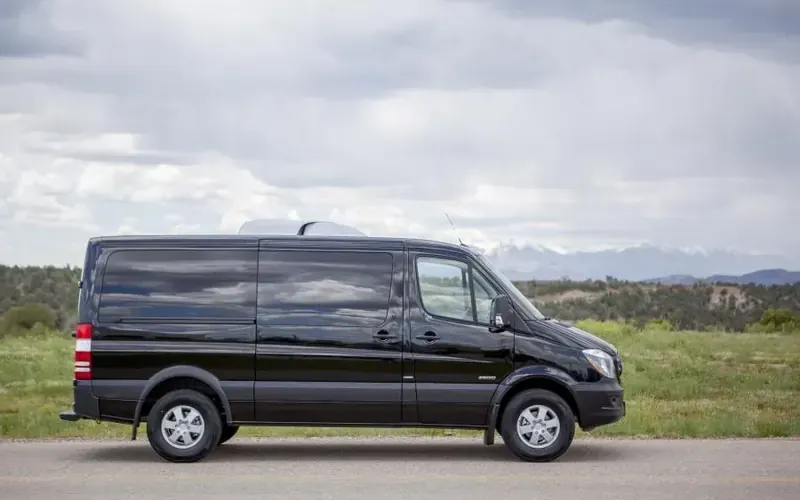
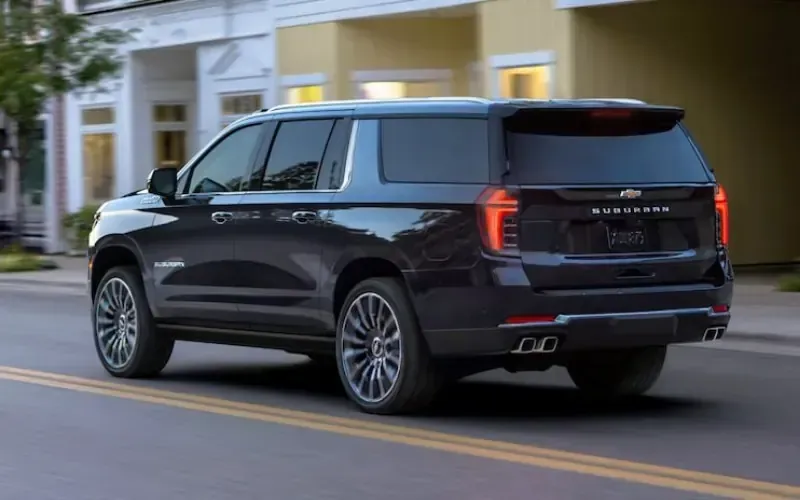
Vehicle choice matters for wine country. A luxury sedan suits a couple, an executive SUV fits a small group with purchases, and a Mercedes Sprinter works well for larger parties who want to sit together between stops.
Book the car for the full day rather than one way. Wine country days run long, and hourly service means the driver waits while you taste instead of leaving and coming back. For details on service in the valley itself, see Napa limo service.
What to tell your driver
Share your reservation times and addresses when you book, not on the day. Drivers plan the route around your tasting schedule, bridge traffic and lunch, and a fixed itinerary keeps the day on track.
What a quote should include
Ask for a written quote that lists the vehicle, the hours, gratuity, tolls and any fees separately. Confirm the cancellation policy and whether the clock starts at pickup or at the first winery.
Making the day go smoothly
Start early. Leaving San Francisco by mid-morning puts you in the valley before the busiest tasting slots and leaves room for a relaxed lunch. Later starts compress the day and push you into bridge traffic on the way home.
Eat a real breakfast and drink water between tastings. Wine country days are longer than they look on paper, and pacing matters more than the number of stops. Many wineries offer water and small bites; ask if you are not sure.
Keep the group small enough to move quickly, or book a vehicle that fits everyone comfortably. Splitting into multiple cars means waiting at each stop for the others to arrive.
Finally, confirm everything the week before: tasting times, lunch reservation, pickup location and the driver's contact details. A short confirmation call prevents most of the problems that come up on the day.
Frequently asked questions
Here are the questions travelers ask most often when planning a Napa wine tour from San Francisco.
Frequently asked questions
How far is Napa Valley from San Francisco?
It is roughly 50 to 65 miles depending on your route and final stop, usually about an hour to an hour and a half by car. Traffic on the bridges and in the valley can add time, especially on Friday afternoons and holiday weekends.
How many wineries can you visit in a day?
Two or three is realistic for a day trip from San Francisco. Each tasting takes about an hour to ninety minutes, and travel between estates adds up. Fewer stops usually means a better experience.
Do you need reservations for Napa wineries?
Most well-known wineries require or strongly recommend reservations, and many run timed, seated tastings. Book ahead online or by phone, and check cancellation policies, which can be strict on weekends.
Should I take the Golden Gate Bridge or the Bay Bridge to Napa?
The Golden Gate route through Marin is the more scenic drive. The Bay Bridge route through Oakland and Vallejo is often faster from downtown San Francisco or the East Bay. Either works; traffic and your starting point decide.
Is Sonoma a better day trip than Napa?
Sonoma is often a better fit if you want a shorter drive, a more relaxed pace and a walkable town. Napa has more large estates and a denser concentration of well-known wineries. Both work well for a day trip.
Can I do a Napa wine tour from San Francisco without driving?
Yes. A chauffeured vehicle with a professional driver lets everyone in the group taste and removes parking and bridge navigation from the day. Book by the hour for the full day and share your tasting schedule in advance.
What should I wear and bring to Napa Valley?
Dress in layers, since the valley is warmer than San Francisco in summer and cooler at night. Wear comfortable shoes for vineyards and caves, bring water and ID, and remember that tasting is for guests 21 and older.