The drive from Phoenix to the Grand Canyon is one of the most rewarding road trips in the Southwest, and it is simpler than many visitors expect. The South Rim, where nearly everyone goes, sits about 230 miles north of Phoenix. In normal conditions that is roughly three and a half to four hours each way, mostly on Interstate 17 and then north through Flagstaff on US-180 or State Route 64.
The bigger question is not how to get there but how to structure the trip. Do you push it as a long day trip, or stay overnight near the rim? Where does Sedona fit? What should you expect from weather at 7,000 feet? This guide walks through the route, the timing, the stops and the rules so you can plan a Phoenix to Grand Canyon trip that actually works.
The Phoenix to Grand Canyon Route Through Flagstaff
Almost every Phoenix to Grand Canyon drive follows the same backbone: north on Interstate 17 to Flagstaff, then northwest toward the park. I-17 climbs steadily out of the Valley of the Sun, passing through desert, then juniper, then pine forest as you approach Flagstaff at roughly 7,000 feet.
From Flagstaff you have two main choices. US-180 heads northwest and joins State Route 64 at Valle, which is the more direct and scenic approach. Alternatively, State Route 64 runs north from Williams, a classic Route 66 town west of Flagstaff. Both routes end at the South Rim entrance near Tusayan.
Traffic is light for most of the drive, but the stretch of I-17 north of Phoenix can be busy on Friday afternoons and holiday weekends, and winter storms occasionally close sections of the highway. Check the Arizona Department of Transportation's road conditions before you leave.
The Interstate 17 Climb
The climb from Phoenix to the Mogollon Rim is the most demanding part of the drive. Watch for slow trucks and give yourself extra time if you are towing or driving a large vehicle.
Flagstaff as a Natural Break
Flagstaff is the obvious halfway point for fuel, food and a stretch. It is also a good place to overnight if you want to split the trip, and it puts you within about ninety minutes of the park entrance.
| Destination | Distance | Typical drive time |
|---|---|---|
| Flagstaff | About 145 miles | 2 to 2.5 hours |
| Sedona (via SR-179) | About 115 miles | 2 hours |
| South Rim (via Flagstaff) | About 230 miles | 3.5 to 4 hours |
| South Rim (via Williams) | About 240 miles | 4 hours |
| Tucson to South Rim | About 320 miles | 5 to 5.5 hours |
Day Trip or Overnight: Choosing Your Pace
A Grand Canyon day trip from Phoenix is doable, but it is a long one. Leave before dawn, arrive around mid-morning, spend four or five hours at the rim, and you will be back in the Valley late in the evening. That works for confident drivers who just want to see the canyon, but it leaves little room for hiking, a sunset, or an unhurried meal.
An overnight stay changes the trip completely. Staying in Tusayan, just outside the park gate, or inside the park at Grand Canyon Village means you can catch sunrise or sunset over the canyon, which is when the light is best and the crowds thin out. You also avoid driving back in the dark on a two-lane highway.
If you would rather not drive at all, a chauffeured long-distance car service lets you treat the day as a scenic tour, with stops in Flagstaff or Sedona and a driver handling the mountain roads. That is especially useful for groups, older travelers and anyone visiting from out of state.
Leave early: Aim to be on the road before sunrise if you are doing a same-day round trip.
Book lodging ahead: Tusayan and Grand Canyon Village fill up in spring, summer and fall.
Plan around light: Sunrise and sunset are the best times at the rim, which favors an overnight.
Build in buffer: Add an hour each way for fuel, food and photo stops.
Check the season: Winter daylight is short, so a day trip becomes much tighter.
Stopping in Sedona on the Way
Sedona sits south of Flagstaff and west of I-17, and it is the most popular detour on the Phoenix to Grand Canyon drive. The scenery on State Route 179 through Oak Creek Village is spectacular, with red rock formations on both sides of the road.
The catch is time. A Sedona stop adds at least two hours to the round trip even if you only drive through, and much more if you want to walk around Uptown, visit a trailhead or have lunch. Combining Sedona and the Grand Canyon in one day from Phoenix makes for a very long day behind the wheel.
A better plan is to treat them as separate outings, or to overnight in Sedona and continue to the canyon the next morning. Sedona is also a good base for a Sedona limo service wine tour or a relaxed evening after a day at the rim.
The Scenic Route Through Oak Creek
State Route 179 from the Village of Oak Creek into Sedona is the prettiest approach. Expect slow traffic on weekends and during leaf-peeping season in fall.
Flagstaff as an Alternative Stop
If time is tight, Flagstaff gives you a historic downtown, good restaurants and a shorter detour than Sedona. It is also right on the route.
Weather at Elevation: What to Expect
The South Rim sits at roughly 7,000 feet, and the North Rim is even higher. That means the weather at the canyon is nothing like Phoenix, even on the same day. In summer, Phoenix can be well over 100 degrees while the rim stays in the 70s and 80s, with cool evenings.
Winter brings snow and ice to the rim and to Flagstaff. Roads are usually plowed, but chains or snow tires may be required during storms, and the park occasionally closes roads or restricts access. Spring and fall are the most comfortable seasons, though both bring wind and sudden temperature swings.
Whatever the season, bring layers. A light jacket is worth having even in July, and sturdy shoes matter if you plan to walk any of the rim trail. If you are heading to the canyon from out of state, plan your wardrobe around the elevation rather than the Phoenix forecast.
| Season | Typical conditions | What to plan for |
|---|---|---|
| Spring | Mild days, cold mornings, wind | Layers and a windproof jacket |
| Summer | Warm days, cool nights, afternoon storms | Sun protection and rain gear |
| Fall | Crisp days, cold nights, clear skies | Warm layers for sunrise and sunset |
| Winter | Snow, ice, cold | Winter tires or chains; check road closures |
Park Entry, Rules and What to Confirm
The Grand Canyon is a national park, and entry is managed by the National Park Service. You pay an entrance fee at the gate unless you hold an America the Beautiful pass, and you should confirm current fees, hours and any reservation requirements on the official NPS website before you go. Some seasons and some areas require advance reservations.
Inside the park, the South Rim is served by a shuttle system that runs along Hermit Road and through Grand Canyon Village. Driving your own car is fine, but parking in the village fills early, especially in summer. The shuttle is often the easier way to move between viewpoints.
Pets are restricted on trails and on the shuttle, and drone use is prohibited throughout the park. Leave no trace, stay behind railings, and remember that the canyon is far deeper and the air far thinner than it looks. If you plan to hike below the rim, carry more water than you think you need and turn around early.
Check the NPS site: Confirm entrance fees, hours and any reservation rules before you leave.
Arrive early: Parking at Grand Canyon Village fills quickly in peak season.
Use the shuttle: It is the simplest way to reach Hermit Road viewpoints.
Leave pets at home or at the kennel: They are not allowed on most trails.
Respect closures: Some trails and roads close seasonally for safety.
Driving Yourself vs Booking a Car
Driving yourself gives you maximum flexibility and is the cheapest way to see the canyon if you already have a rental. The trade-offs are the long hours behind the wheel, mountain driving in winter, and the fact that the driver misses much of the scenery.
A chauffeured trip works well for groups, families with older travelers, and anyone who wants to enjoy the drive without the fatigue. You get a professional driver, a flat quote agreed before you book, and the ability to stop where you like. For a group, the cost per person often compares well with multiple rental cars and fuel.
If you are combining the canyon with a Flagstaff overnight, a Flagstaff limo service can handle the transfers so you are not parking a rental car in a hotel garage. For airport arrivals, a PHX airport car service gets you from the terminal to your hotel before the road trip begins.
When Self-Driving Makes Sense
Solo travelers, couples and anyone comfortable with mountain highways will find self-driving straightforward for most of the year.
When a Chauffeur Makes Sense
Groups, corporate visitors, wine tours and winter trips are easier with a professional driver who knows the roads and the weather.
Making the Most of Your Time at the Rim
The South Rim is about thirteen miles of developed viewpoints along the canyon edge. Mather Point is closest to the main entrance and is the first stop for most visitors. Yavapai Point has a geology museum and a wide panorama. Hopi Point, further west along Hermit Road, is a favorite for sunset.
The Rim Trail connects many of these viewpoints and is mostly flat and paved, which makes it accessible to most visitors. If you want a short hike below the rim, the Bright Angel Trail starts near Grand Canyon Village and descends steeply; even a short walk down gives you a different perspective, but remember the climb back up takes longer than you expect.
Food and lodging inside the park are limited, so plan meals around the village or bring supplies. Tusayan, just outside the gate, has more options. Book any sit-down meals ahead in peak season.
Practical Tips for the Drive
Fuel up before you leave the interstate. Gas stations exist along the route, but they thin out between Flagstaff and the park, and prices rise the closer you get to the gate. Fill up in Flagstaff or Williams and you will have plenty of range.
Cell service is patchy in parts of the park and on the approach roads. Download offline maps before you leave, and carry water and snacks even on a day trip. The altitude can affect travelers who are used to sea level, so take the first hour at the rim slowly.
Finally, check the time zone. Arizona does not observe daylight saving time, but the Navajo Nation does, which can be confusing if you travel east of the park. The park itself follows Arizona time.
Fuel in Flagstaff or Williams: Services are sparse closer to the gate.
Download offline maps: Cell coverage is unreliable near the rim.
Carry water and snacks: Food inside the park is limited.
Watch the time zone: Arizona stays on standard time year-round.
Check road conditions: Winter storms can close I-17 or park roads.
Planning the Trip Around Your Group
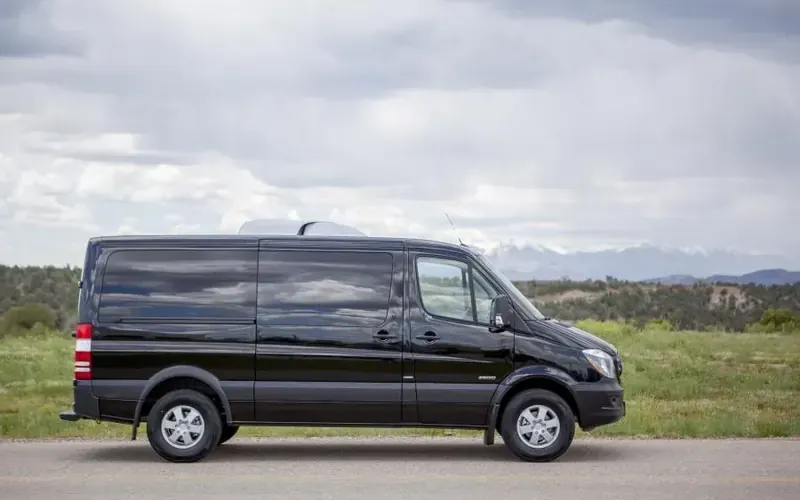
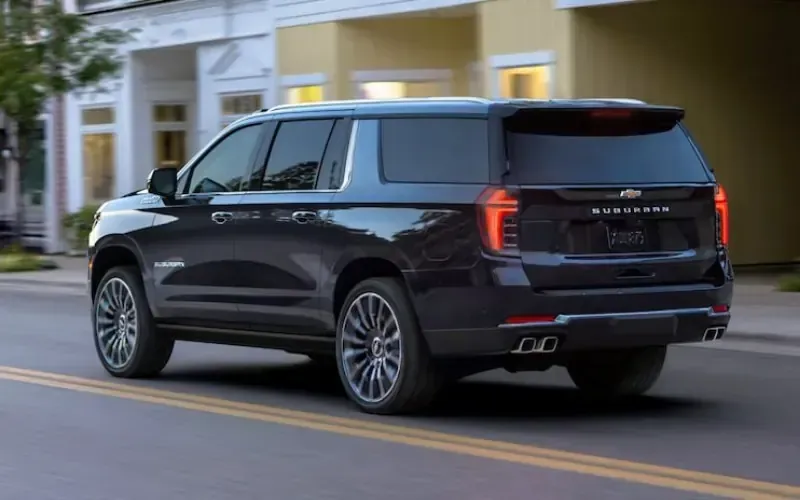
The Phoenix to Grand Canyon drive works for almost any group, but the right vehicle depends on who is going. Couples and solo travelers are fine in a sedan or SUV. Families with luggage and small executive groups do well in an executive SUV. Larger parties, wine tour groups and corporate outings are more comfortable in a Sprinter or minibus.
If you are planning a celebration around the trip, a stretch limousine or party bus turns the drive into part of the event. For a quieter occasion, an hourly chauffeur lets you set the pace and stop where you like. Either way, get a written quote before you commit so you know what is included.
Whatever you choose, book early for spring, summer and fall weekends. The South Rim is one of the most visited places in the country, and lodging and vehicles both fill up.
| Group | Suggested vehicle | Why |
|---|---|---|
| Couple or solo traveler | Luxury Sedan | Comfortable and easy for two |
| Family with luggage | Executive SUV | Room for bags and car seats |
| Small group of friends | Mercedes Sprinter | Space to spread out |
| Corporate outing | Mini Bus Shuttle | Keeps the group together |
| Celebration | Stretch Limousine or Party Bus | Turns the drive into part of the event |
Frequently asked questions
How long does it take to drive from Phoenix to the Grand Canyon?
The South Rim is about 230 miles from Phoenix, which is usually three and a half to four hours each way in normal conditions. Traffic, weather and stops in Flagstaff or Sedona can add time. Plan for a full day if you are doing a round trip.
Can you do the Grand Canyon as a day trip from Phoenix?
Yes, but it is a long day. Leaving before dawn gets you to the rim by mid-morning and back to Phoenix late in the evening. An overnight stay in Tusayan or Grand Canyon Village is far more relaxed and lets you catch sunrise or sunset.
Is it worth stopping in Sedona on the way?
Sedona is beautiful, but it adds at least two hours to the round trip and more if you stop to explore. Combining Sedona and the Grand Canyon in one day from Phoenix is tight. Consider overnighting in Sedona and continuing north the next morning.
What is the weather like at the Grand Canyon?
The South Rim sits at roughly 7,000 feet, so it is much cooler than Phoenix. Summers are mild with cool nights, winters bring snow and ice, and spring and fall are comfortable but windy. Bring layers whatever the season.
Do I need a reservation to enter the Grand Canyon?
Entry rules, fees and any reservation requirements change by season, so check the National Park Service website before you go. Some areas and some times of year require advance planning. Confirm current details on the official NPS site.
Which route is best from Phoenix to the South Rim?
The most common route is Interstate 17 north to Flagstaff, then US-180 to Valle and State Route 64 to the park entrance. An alternative is I-17 to Williams, then SR-64 north. Both take roughly the same time.
Can I visit the Grand Canyon without driving myself?
Yes. A chauffeured long-distance car service lets you enjoy the scenery while a professional driver handles the mountain roads. It is a good option for groups, older travelers and winter trips.